We all know that heart health is largely determined by how much we exercise and the quality of food we consume on a day to day basis. But do we know the importance of seeds and the powerful duo of nutrition they contain? Let us deep dive into the world of seeds to understand how nature has packed these tiny parts of the plant with heart-healthy elements!
Seeds are the starting point of plant life and are rich in healthy fats, fiber, antioxidants, vitamins, and minerals. They are classified as edible and non-edible. Edible seeds such as flax, chia, sesame, pumpkin, sunflower, mustard, and fenugreek are safe and nutritious, while non-edible seeds like apple, cherry, apricot, and peach seeds may be toxic and should not be consumed.
For heart health, raw seeds are better than cooked seeds because they retain more omega-3 fatty acids, antioxidants, and vitamin E. Light roasting is acceptable occasionally, but raw or soaked seeds provide the best benefits. Seeds support digestion and heart health, while nuts supply sustained energy and healthy fats. But remember, both are best eaten in moderation.
How Omega-3 Fatty Acids Support Heart Health
Omega-3 fatty acids promote heart health by lowering various critical cardiovascular risk factors. They help to keep triglyceride level and blood pressure under control, and increase good (HDL) cholesterol, all of which contribute to healthier arteries. Omega-3s also help in controlling cardiac rhythm, minimizing the risk of irregular heartbeats. Their strong anti-inflammatory properties reduce inflammation within blood vessels, slowing the progression of artery damage.
Omega-6 fatty acids are healthy polyunsaturated fats that support heart health when consumed in small amounts. Different fatty acids act differently in the body, some can increase inflammation, a risk factor for heart disease, while others help reduce it. Ensuring a balance of omega-3 and omega-6 fatty acids helps control inflammation and promote heart health.
The ideal ratio of omega-6 to omega-3 in our diet is 1:1 to 4:1
How Antioxidants support Heart Health
Antioxidants are vital for heart health as they neutralize free radicals, which can cause blood vessel damage. They serve to decrease plaque development and prevent the growth of fatty deposits in the arteries by preventing bad (LDL) cholesterol from oxidizing. Antioxidants also increase endothelial function, allowing blood vessels to relax and contract appropriately, resulting in improved blood flow and circulation. Antioxidants help to reduce the long-term risk of heart attack and stroke by reducing oxidative stress and maintaining healthy arteries.
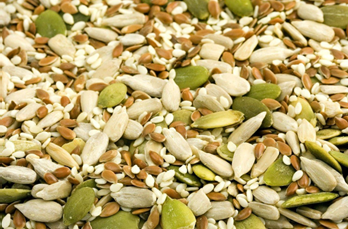
Seeds rich in Omega-3 Fatty Acids and Antioxidants
Seeds are tiny nutritional powerhouses for heart health, as they are rich in Omega-3 fatty acids and antioxidants. Let us take a closer look at the various seeds used in our daily diets.
- Flaxseeds are high in plant-based omega-3 fatty acids and antioxidants, which assist to lower LDL cholesterol, reduce inflammation, and promote healthy blood vessels.
- Chia seeds include omega-3 fats, fiber, and antioxidants, which aid in cholesterol reduction, blood sugar regulation, and weight management.
- Hemp seeds offer a balanced ratio of omega-3 and omega-6 fatty acids, along with high-quality plant protein. They support heart health, muscle function, and reduce inflammation
- Pumpkin seeds include antioxidants and magnesium, which aid in blood pressure control, cardiac rhythm regulation, and inflammation reduction.
- Sunflower seeds are high in vitamin E, which is an antioxidant that protects blood vessels from oxidative damage and improves overall heart function.
- Sesame seeds include unique antioxidants that help decrease total and LDL cholesterol while also supporting healthy blood vessel function.
- Mustard seeds are used mainly for flavour and digestion. They contain antioxidants and omega-6 fatty acids, which support heart and metabolic health when used in small amounts.
- Fenugreek seeds are rich in soluble fiber and plant compounds that help control blood sugar and reduce cholesterol absorption. They contain minimal omega fats and support heart health indirectly through metabolic benefits.
Flax / Chia seeds / Hemp seeds are balanced in their omega-3 and omega-6 fatty acid content.
Pumpkin, sunflower, mustard, fenugreek and sesame seeds are rich in omega-6 fatty acid so balancing them with foods rich in omega-3 is a must.
Why Balance Matters?
- Too much omega-6 may increase inflammation
- More omega-3 helps protect the heart
- Plant omega-3 works better when omega-6 intake is controlled
Other food sources to include
Omega-3 rich foods include fatty fish such as salmon (Kaala), sardines (Mathi), and mackerel (Ayil), along with plant sources like soyabeans, mustard oil, rajma and walnuts. Antioxidant-rich foods include fruits such as guava, amla, oranges, and apples and vegetables like spinach, broccoli, and tomatoes, and green tea and chickpeas.
Simple Ways to include seeds in our daily diet
- Add ground flaxseeds to curd, porridge, or vegetables
- Soak chia seeds in water or buttermilk and consume
- Sprinkle pumpkin or sunflower seeds on salads or soups
- Use sesame seeds in chutneys and other recipes
Tips to Remember
- Choose unsalted dry-roasted seeds
- Avoid fried and flavoured seed products
- Maintain portion control
Consumption of 1-2 teaspoons of mixed seeds daily is recommended. Seeds are nutrient-dense, so limitation is important. Over consumption of seeds can lead to bloating, constipation, blood sugar spikes and reduced mineral absorption. 1-2 teaspoons of mixed seeds contains 40-50 calories, excess intake can lead to unwanted weight gain.