Categories
Uncategorized

The 4 components of exercise to counter high BP

High blood pressure (BP) or hypertension is a major threat to your health and your quality of life. It can lead to life-threatening conditions like heart attack and stroke. The youth in India is more and more affected by this medical hazard. In fact, 1 in 5 young adults in our country is suffering from hypertension, according to a recent press release (1). So it is time to shift our focus to preventive rehabilitation in the younger generation.

Preventive rehabilitation is designed to reduce risk factors and prevent diseases. It is teamwork of physicians, exercise therapists, nutritionists and psychologists. In this blog post, I would like to share some exercise tips for the prevention and cure of hypertension.

Are you aware that exercise can reduce blood pressure? Indeed, regular physical activity not only reduces the stiffness in your blood vessels but also makes your heart more efficient hereby lowering your blood pressure to a desirable level.

Aerobic exercise, strength training and flexibility exercise are the three components of exercise that work hand in hand to bring down your elevated BP to normal levels. And together with breathing exercises, you definitely have the upper hand against high BP!

Aerobic Exercise

Any activity that you do use a large muscle group for a long duration which increases your heart rate and breathing rate is known as aerobic exercise. The best examples are walking, cycling and swimming.

Strength training or Resistance Exercise

I am often faced with the question “Is resistance exercise safe?” The answer is YES. It has long-term health benefits on all muscles including the cardiac muscle and also reduces the overall resistance in the arteries which is the underlying culprit causing high BP(2).

The American heart association recommends 2 days per week of resistance exercise for cardiac and hypertensive patients.

Flexibility Exercise

It improves flexibility and blood flow in the muscles. Regular flexibility exercise improves muscle endurance. Yoga is the best example of this group of exercise. It is not only a mind-body aligning tool but also a great stress buster.

Breathing Exercise

Find a comfortable spot at home or at work and start breathing deeply and slowly in a relaxed way for 10-15 minutes. This is known as deep breathing or regulated breathing or pranayama and it helps to relax your mind and your body. Special breathing techniques need to be learnt from experts and practised the right way for maximum health benefits.

The above-mentioned exercises are ideal for hypertensive patients. In addition to exercise, dietary changes and stress management training for all and BP lowering medication for a few are the best tools to reduce blood pressure. Most importantly, consult your physician before beginning your exercise program. We provide personalised preventive rehabilitation programs for individuals with high blood pressure, diabetes, cholesterol problems, body weight issues and psychosocial problems including chronic stress and addictions. The outcomes of our programs are excellent and our results have been published in international medical journals.

Reference

  1. https://www.escardio.org/The-ESC/Press-Office/Press-releases/One-in-five-young-adults-in-India-has-high-blood-pressure
  2. https://www.ahajournals.org/doi/pdf/10.1161/JAHA.112.004473
Categories
Uncategorized

Let the flu not hamper your cardiac wellbeing

If you have heart problems, it is important to do all you can to avoid getting the flu. Flu and pneumonia create special problems for heart patients. You’ll have a harder time fighting off viruses that cause the illness. In fact, people with heart trouble are more likely to get the flu than people with any other long-term (chronic) illness. Pneumonia is a lung infection that prevents your lungs from getting enough oxygen into the blood, creating a strain on the heart. Viral infections like the flu also put added stress on your body, which can affect your blood pressure, heart rate, and overall heart function. In this blog post, I would like to outline some easy dietary trips to prevent flu and to hasten recovery from it.

Symptoms of the flu:

The flu usually comes on quickly. You might have one or more of the following symptoms…

  • Fever (usually high)
  • Severe aches and pains in the joints and muscles
  • Generalised weakness
  • Warm, flushed skin and red, watery eyes
  • A headache
  • A dry cough
  • A sore throat and watery discharge from the nose

Though your appetite may be down during the flu it is important to eat a variety of foods (at least in small portions) from all food groups. In this way, you can ensure you get the vitamins, minerals, antioxidant-rich foods and macronutrients needed to support your immune system, to reduce the risk of chronic lung disease and to keep other prolonged illnesses at bay.

Let us see some superfoods to include in your daily diet in the flu season.

Brightly coloured vegetables:

Try to eat a rainbow of brightly coloured vegetables that are proven to protect your health. These are packed with nutrient-rich plant compounds called phytochemicals that help the body neutralise free radicals. Free radicals cause damage to your cells and tissues and may lead to chronic illness. According to the American Institute for Cancer Research, the following vegetables contain the much-needed phytochemicals:

  • Cabbage
  • Carrots
  • Tomatoes
  • Greens
  • Sweet potatoes
  • Beetroot
  • Carrot
  • Bell peppers
  • Turnip

Brightly coloured fruits:

Fruits are particularly high in antioxidants, vitamins A, C, E and phytochemicals and have a protective effect on the lungs. They have been linked to a lower risk of dying from chronic lung disease. In fact, consuming as little as 100 grams a day (approximately one serving) of fruits is associated with a 24% lower risk of death due to lung ailments. The brightly coloured fruits that I would like to recommend are:

  • Apples
  • Pears
  • Citrus fruits (orange, sweet lime)
  • Berries
  • Cherries
  • Watermelon
  • Grapes
  • Pomegranates
  • Lemons
  • Pineapples
  • Bananas

Add Garlic and Onion to dishes

Garlic and onion are called “natural antibiotics” due to their healing powers, especially against infectious diseases like cold and flu. They help treat the common cold and may decrease the chances of a cold by 64 %. For example, onions are one of the richest sources of dietary flavonoids, which may decrease your risk of cancer, lung and cardiac diseases. Onions are also a great source of vitamin C, a vitamin that plays an important role in immune function. Research has shown that regular consumption of the organosulfur compounds found in onions and garlic may also prevent the development of cardiovascular diseases.

Black tea:

Black tea contains xanthine alkaloids from which the stimulant theophylline is derived. Theophylline is a bronchodilator and it is used in the treatment of lung diseases as it helps open up the airways and decrease breathlessness. These are rich in antioxidants, such as flavonoids. Regular consumption of black tea may help lower the risk of heart attack and cardiovascular diseases, diabetes and cholesterol abnormalities.

Try to add ginger to your diet

Ginger not only has anti-inflammatory properties but it is also a powerful natural painkiller which will help us fight a cold. It reduces fevers, soothes sore throats and encourages coughing to remove mucus from the chest. It also helps break down mucous to help clear your respiratory tract and alleviate symptoms of congestion. The two chemical compounds shogaols and gingerols are present in ginger that stimulate blood circulation and open our sinuses. The improved blood circulation means more oxygen entry into our tissues, which in turn will help to remove toxins and viruses. Fresh ginger is best had in teas and cooked with foods.

Get enough vitamin D through sunlight or food

Vitamin D, also known as“sunshine vitamin” is an important nutrient for overall health and also reduces the risk of respiratory infections, including colds, bronchitis, pneumonia and flu.  Nowadays, we see a high prevalence of vitamin D deficiency in our people especially in the winter months; when our exposure to sunlight is low we need to maximise the absorption of vitamin D from our diets. Try to eat vitamin D rich foods including fatty fish such as tuna, salmon, mackerel, eggs, legumes (beans and peas), nuts, seeds, soy products and mushrooms. Including a selection of these foods regularly throughout the winter months is a good way to improve your vitamin D levels and also to keep acute and chronic lung infections at bay.

Omega -3 fatty acids:

A diet rich in omega-3 fatty acids is well known to protect the lungs against chronic inflammation and also reduce the risk of heart attack, diabetes, obesity, abnormal cholesterol level and hypertension. Omega-3 fatty acids may also help improve symptoms of flu. These are some foods loaded with omega-3 fatty acids, to be added to your daily diet:

  • Fatty fish (salmon, herring, tuna, mackerel, sardines)
  • Cooking oils (rice bran, canola, flaxseed, and soybean)
  • Mixed nuts
  • Flaxseed, sunflower seed, pumpkin seed, chia seed
  • Soybeans

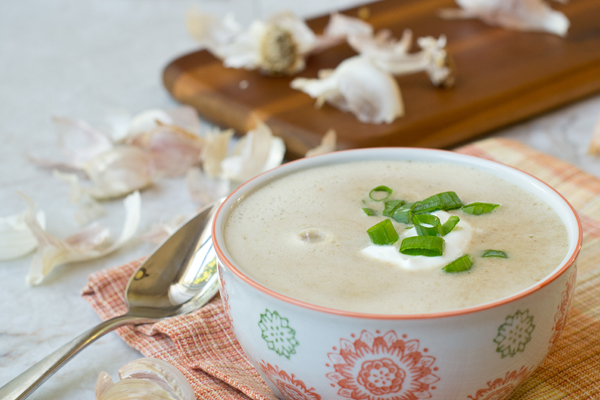
Here is a low fat immune boosting flu-fighting garlic soup recipe especially for you:

Ingredients:

  • 3 tablespoons olive oil
  • 1 big onion, chopped
  • 5 cloves garlic, minced (optional)
  • 1 big carrot, finely chopped
  • 5 mushroom caps, finely chopped (white button mushroom)
  • 1/4 cup coriander, finely chopped
  • 1/2 cup spinach, rinsed
  • 1/8 teaspoon turmeric powder
  • 6 cups water
  • salt, pepper and crushed red chilli flakes to taste

PROCEDURE:

  1. In a medium-sized pan heat oil and sauté the onions, turmeric powder, red chilli flakes and garlic.
  2. Now add the carrots, mushrooms and coriander and fry for a couple of minutes.
  3. Stir in the rinsed spinach and water. Add salt and pepper and cook for about 15-20 minutes until the spinach is cooked.
  4. Switch off the stove.
  5. Stir in the chopped coriander leaves and minced garlic if using. Now, hot soup is ready to serve.
Categories
Uncategorized

Workstation Exercises for a Healthy Heart

Most of us use a computer and its accessories in our work today and this creates many ergonomic risk factors such as repetitive movements, awkward postures and staying in the same position for a considerable period of time, all of which can trigger muscle pain and strain. The neck, shoulders, wrists and hands are the most affected parts of the body.

It is time we start moving our body at regular intervals in our workplaces as prevention against work-related aches and pains. In fact, the branch of medicine that addresses such work-related health issues is called Occupational Health.

In this post, I would like to share with you some “Workstation Exercises”. Did you know how important it is to do exercises in your workplace? Yes, it is extremely important and gaining a lot of attention globally! It is proven to reduce the stress in your joints and improve flexibility, thereby indirectly helping you perform better in your work and achieve superior results. Also, cardiovascular diseases like heart attack and stroke that are claiming so many of our young peoples’ lives can be completely avoided by being fit both in and out of the office!

Now, let’s begin the desktop exercises. Here are 10 easy and quick movements that you can do at your workstations…

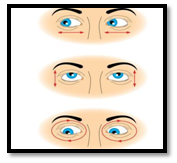
1. Eye exercise

Keeping the back and neck straight and the head still, look as high as possible, look up and down and rotate your eyes. Repeat this sequence 10 times without moving the head, as shown in the picture here.

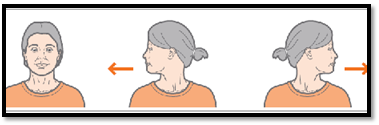
2. Head turns

Turn your head to the left side to look over the left shoulder and hold for 10 seconds and again move to the other side and repeat both 10 times.

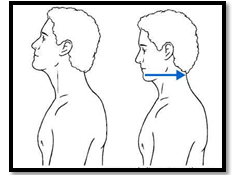
3. Chin tucks

Raise the head to straighten the neck. Tuck the chin in and upwards creating a double chin. Hold for 10 seconds if possible. Repeat 10 times.4. Shoulder rolls

Stand straight with your arms by your sides and keep your legs shoulder-width apart. Circle the shoulders forward and backwards. Repeat this 10 times.

5. Wrist stretch

Interlace your fingers, face your palms outward, and straighten arms in front. Hold for 10 seconds and relax. Repeat 10 times.

6. Chest stretch ;

Place your hands behind your head, and squeeze your shoulder blades together and repeat these steps 10 times.7. Back arching

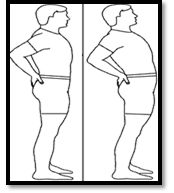
Stand straight and support your lower back with your hands, gently arch back and hold for 5 to 10 seconds and relax. Repeat as often as possible.

8. Side stretch

Interlace fingers, face your palms outward and straighten your arms above your head. To stretch your sides, slowly lean to the left and then to the right. Hold for 10 seconds and relax. Repeat 10 times.

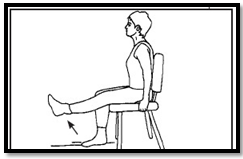
9. Leg lift

Hold one foot off the floor with your leg straight for 5-10 seconds and relax. Repeat with the other leg and do the cycle for 10 times in each leg.

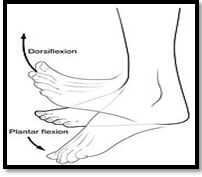
10. Foot movement 

Hold both feet off the floor and move your feet up and down. Repeat 10 times.

SOME POINTS TO REMEMBER:

·         Take 5 minutes of break at the end of every hour in your workplace

·         Every hour, try to do a few exercises from the above list

·         Avoid sitting for a long time

·         Change your position of work as often as possible

·         Get ergonomic advice from an expert if you have chronic pains

All the above exercises are extremely easy to do in your workplace; it only takes a little bit of motivation and probably some team effort to get this going regularly in your office. Once you start, you will immediately notice the change in your wellbeing and you can also prevent long-term disability by being consistent. Combined with a healthy diet and a positive attitude you can stay healthy and be productive at work for a very long time. If you need personal assistance please feel free to contact our team at Cardiac Wellness Institute (www.cardiacwellnessinstitute.com).


Categories
Uncategorized

The power of Mind-Heart connection

As a practitioner of evidence-based medicine, I am impressed by all the research that looks at the effects of regular exercise, good nutrition, quitting tobacco and adequate sleep on the heart, but am disappointed that very few doctors are looking into how much matters of the mind can affect the heart.


The reason is straightforward: it is easy to measure the number of hours of exercise and sleep, the amount and type of food intake and even the number of times someone smokes or chews tobacco in a day; but it is rather difficult to quantify and qualify peoples’ feelings and emotions. Leave alone a healthcare professional, even you yourself may not be able to accurately say what makes you happy or sad or angry or afraid.

Nevertheless, we know for sure that the mind and the heart work in unison. One cannot be separated from the other. Both are mutually interdependent on each other. In other words, there is a strong connection between the mind and the heart and they have to be equally well cared for to prevent diseases as well as to cure them. So come, let’s embark on a mindful journey to feel the power of the mind-heart connection, which in turn has the power to heal all our diseases.

  1. Understand that all feelings are natural

You would agree with me if I said there is no night without day and no autumn without spring. These are natural phenomena that keep the earth going. You don’t compare one with the other or pray for one over the other. So, why would you think that happiness and contentment are superior to sadness or fear or disappointment? Each of these feelings is natural and genuine. There is no need to hide or mask any emotion. As long as there is a reason or a situation for your particular emotion, you should just feel the emotion and let it pass.

For example, we often tell our kids “don’t cry like a baby”; and we even tell ourselves “I should feel happy all the time”. The former does not help kids realise what makes them happy or sad and the latter is an impractical and unrealistic goal to achieve. A positive attitude is something we should all aim for but that only means that we should not brood over spilt milk for too long; it doesn’t mean brooding is wrong.

  1. Look inwards and reflect, the answer is often within

With a fast-paced life and several roles to fulfil in a day, many of us forget to look inwards and reflect. There is such an overload of tastes, smells, sights, textures and sounds in today’s world that a few minutes of calm and quite without any external stimuli is hard to find. And to top it all, we have our smart phones that give us all of these stimuli at one shot even when we are alone.

In my humble opinion, today, a few minutes of self-refection every day is the need of the hour. It is the only way one can understand his/her emotions, likes and dislikes and priorities in life. And if you’re constantly stressed out due to various happenings around you, looking within and modifying your responses to stressors or external triggers is the only way out.

  1. Work on your coping skills

While it’s true that a crisis doesn’t strike too often, nobody is immune to unexpected turns in life like an estranged marriage, a bad investment or the death of a loved one. What we don’t want to do is feel so downhearted and blue that we end up with depression, suicidal tendencies or a heart attack.

Coping skills are nothing but ways in which we can bounce back to normal after a blow in life. That is why we often say invest time in building your friends, family and faith (religious or non-religious) in the days that you don’t need them so much. The investment will pay off when a crisis strikes; your friends, family and faith will serve as shock absorbers and help you get on track again.

  1. Identify your passion and fuel it

Not many of us know what our passion is. We do our work, we care for our family, we take a vacation once in a way and we grow old. That’s fine, but if there are some aspects of your daily routine that give you immense pleasure and make you loose track of time, that is the thing that you are passionate about! It might be singing, dancing, reading, writing, cooking, being creative, solving puzzles, gardening, stitching, playing with kids, cleaning the house, helping someone in need, praying, playing a sport, being one with nature, etc. The list goes on and on. Basically, it can be anything in which your mind and body is actively engaged (there are only a few things that do not qualify: television watching, spreading false news and hatred, and destructive thinking and actions). You just need to create time or free up more time from your daily tasks to spend at least half an hour everyday to grow your passion.

There is scientific evidence to prove that when you are passionate about something and have a meaningful life, your longevity goes up significantly.

  1. Challenge yourself more often

Yes, this is where most of us are lagging behind. We are afraid of challenging ourselves for fear of failing. We don’t want to push our limits as we are currently comfortable and feel no need for any challenges. We often blame our age for this attitude. But that’s exactly when you need to challenge yourself to something new like learning a new language, scaling new heights at the work/home front or developing a completely new skill. Have we not come across men and women who run marathons in their 70s and 80s, people who get PhDs after retirement and individuals who become a sensation overnight for overcoming serious obstacles to health and life?

Research shows that the best ways to avoid dementia, depression and other chronic ailments are a healthy lifestyle combined with a thirst for new knowledge and skills.

In short, caring for our minds, nurturing our souls and taking some time out for ourselves on a daily basis will go a long way in keeping us healthy and happy as long as we live!

If you are interested in attending a workshop on mind-heart connection and would like to learn from experts in the field of psychology and yoga, please see the event details on: https://www.facebook.com/events/253339935338681/

Categories
Uncategorized

Fruits & Diabetes: Friends or Foes?

Diabetes Mellitus (DM) commonly referred to as diabetes is one of the most rampant chronic conditions affecting humans today. It occurs when the pancreas does not secrete enough insulin or when the cells of the body become resistant to insulin. It is a lifestyle disorder in which the body struggles to control the levels of blood sugar but is unable to do so due to unhealthy eating, exercising and stress management habits.

We all know that eating fruit is a delicious way to satisfy hunger and maintain a healthy lifestyle. Although we know fruits and vegetables are good for us, people with diabetes are often told they should avoid fruits because they are too sweet or contain sugar. All fruits contain natural sugars along with a good mix of vitamins, minerals and fibres. As a nutritionist, the question that I get asked most often is “I am diabetic, can I eat fruits?” So, are fruits really advisable for you if you have diabetes?


In this blog post, I hope to shed some light on the important issue of fruit intake for people with diabetes. First, let me explain two key concepts related to diet and diabetes: Glycemic Index and Glycemic Load.

Glycemic Index (GI)

GI is a number that gives you an idea about how fast your body converts the carbohydrates in a specific food into glucose. Two foods with the same amount of carbohydrates can have different glycaemic indices based on whether they contain more of simple sugars or complex sugars.

The smaller the number, the more time the body takes to convert it into glucose and so the more desirable for diabetic individuals.

55 or less = Low (most desirable in diabetics)

56 to 69 = Medium (less desirable in diabetics)

70 or higher = High (least desirable in diabetics)

The purpose of knowing the GI is to eat foods that are less likely to cause sudden steep increases in blood glucose levels. If you have diabetes, you must choose low GI foods in your daily diet. Research has proven that a low GI diet not only helps keep your blood glucose and blood cholesterol under control but also reduces insulin resistance and thereby the risk of complications likes heart attack and stroke. A recent research article explains how a low GI diet can help people with diabetes manage their blood sugar better https://www.cochranelibrary.com/cdsr/doi/10.1002/14651858.CD006296.pub2/full.

Glycemic index of some fruits:


Glycemic Load (GL)

The GL of a food item is a number that indicates how much that food will raise a person’s blood glucose level after eating it and it is mostly based on the glycemic index (GI). Large research trials have shown that people who consumed lower glycemic load diets were at a lower risk of developing diabetes and heart disease https://www.ncbi.nlm.nih.gov/pubmed/23364021

The formula for calculating the GL of a particular food or meal is:

Glycemic Load = GI x Carbohydrate (g) content per portion ÷ 100.

Foods with a GL below 10 are regarded as “low” and those with a GL above 20 as “high”. Examples are:

Low GL foods: Apples, Pears, Oranges, Grapes, Peaches, Strawberries, Tomatoes and Watermelon

High GL foods: Dates, Raisins, Dried fruits.

Here’s a look at some common myths about fruit intake and diabetes:

Myth – Fruits are not suitable for diabetic patients

Fact – If you want to manage your blood glucose, cholesterol level, blood pressure and body weight you must include fruits in your daily diet. In fact, most fruits have low to medium glycemic index. (Refer glycemic index above)

Myth – Diabetic patients can have added sugar in the form of brown sugar, sugar substitutes etc.

Fact – All added sugars should be avoided. Alternatively, you can opt for a sugar-free balanced healthy diet. Natural sugars are present in fruits, vegetables and milk so you can go with natural sugars instead of adding sugar to your diet.

Myth – Diabetic patients can eat special ‘diabetic’ foods available in the market

Fact – ‘Diabetic-friendly’ labelling tends to be used on sweets, biscuits and similar foods that are generally high in fat and sugar. As a dietician, I wouldn’t recommend eating sugar-free diabetic foods like diabetic sweets, biscuits and beverages. They have been found to worsen your diabetes and also lead to complications of liver, kidneys etc. Opting for natural foods is the best.

Myth – Fruit juices are safe for diabetic individuals

Fact–Fruit juices are to be avoided mainly because juices lack the goodness of fibre present in the whole fruit and quite often extra sugar and preservatives are added. Fresh home-squeezed juices without any added sugar and with the pulp are preferred to readymade juices. However, nothing to beat the fruit eaten as a whole.

Myth – You should stay away from chikoos, mangoes and bananas

Fact – These fruits are by themselves a treasure trove of nutrition and there is no need to consider them a taboo. But portion size is very important while taking these fruits to manage your blood glucose levels. In fact, grapes and bananas are very beneficial because they are high in fibre, low in fat and full of vitamins and minerals. Mangoes too are rich in nutritive content. And all these fruits protect against heart disease, cancer and certain digestive problems.

The longstanding concern amongst our people is that fruits contain high levels of natural sugars which will inevitably increase blood glucose level. Due to the low glycemic index of most fruits they do not lead to a sharp rise in blood glucose levels. In contrast, processed foods like white bread, packaged sugary drinks, chocolate, biscuits, cakes etc. have a very high GI and are definitely to be avoided.

As a dietician, my advice would be to keep a food diary to help track your fruit and vegetable consumption, as well as the other foods that you eat in a day. In this way, you can get professional help to ensure the intake of a well-balanced diet that helps nourish your body and keep your diabetes under control.

Dietary Tips to Control Blood Glucose:

  • Try to eat whole fruits as much as possible, as some nutrients are lost in fruit juices
  • Add a wide variety of fruits – rainbow colours – in your daily diet to prevent chronic diseases like high blood pressure, heart diseases, stroke, obesity, constipation and certain cancers
  • Avoid excessive intake of dried fruit because it has high GI value
  • Avoid health drinks, aerated drinks and packed drinks.

Incorporating fruits into your diet is the best way to lower the risk of various health problems. Whether you have diabetes or not, you need to consume a healthy portion, that is at least 5 portions of fruits and vegetables, every day.


Categories
Uncategorized

Foot care tips for diabetic individuals

I am glad to share one more interesting post here. We all know about diabetes mellitus but to our surprise and shock, around 425 million people are affected by diabetes in India. By the end of 2045, this is expected to rise up to 151 million people (ref 1 below).

Diabetes is a condition where the body is unable to properly utilise the sugars and starch in our diet. Although medical management of the disease is advancing rapidly, there is unfortunately no magical cure for diabetes. Intensive lifestyle modification is the only way to reverse and potentially completely cure diabetes.

Treatment of diabetes aims to minimise complications and help people to manage the disease better. Regular exercise and a balanced healthy diet are the two major components of disease control apart from medication.

According to the National Institute of Diabetes and Digestive and Kidney Diseases, neuropathy or dysfunctional nerve endings occurs in about 70% of people with diabetes, leading to pain, numbness, lack of sensations and also to harmful infections (ref 2 below).

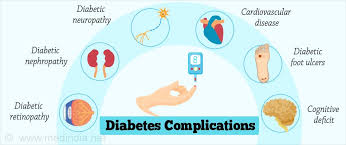
In fact, neuropathy is one of the reasons for silent heart attacks in diabetic individuals. A holistic approach to diabetes is extremely important to prevent end-organ damage shown in the picture above.

Diabetes puts your feet at higher risk for calluses, corns, bunions, blisters, and ulcers which may become gateways to potentially disabling infections. That’s why the diabetic foot is an important complication you should know about. So in this thread, I’ll discuss some key points on how to take care of your feet if you are diabetic.

Foot Care Routine

Inspect your foot – Look at your feet for red spots, cuts, swelling and blisters. If you cannot see the soles of your feet, use a mirror or ask someone for help.

Wash your feet everyday– Wash your feet in lukewarm water (neither too hot nor too cold) and dry your feet with a towel, especially between the toes.

Moisturise – Apply skin lotion over the tops and bottoms of your feet, but not between your toes.

Trim toenails regularly – Trim your toenails straight across and file the edges with an emery board or nail file. 

Avoid walking barefoot – As sensations in your feet can be dampened, you may be unable to feel cuts and blisters which can become dangerously infected.

Take care of your diabetes – Work with your healthcare team to keep your blood glucose in your target range.

Wear diabetic friendly footwear – Support your feet with personalised footwear that is well-fitting, well-cushioned and protects your feet.

Quit smoking – As tobacco can also reduce circulation in the small blood vessels of your hands and feet and worsen the ability to feel pain, temperature differences etc, it is best to stay away from active as well as passive smoking.

Examination – Consult a podiatrist or foot specialist on a regular basis.

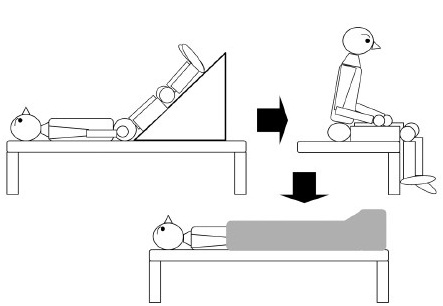
Burger’s Exercise:

This is an exercise that helps to improve circulation in your legs and prevent foot-related complications.

Position

  • Lie down in head-up position and lift your leg up to 45 degrees upward (if necessary keep something to support your legs as in the picture)
  • Hold the position for 2-3 min
  • Then sit with knees hanging down for 2-3 min
  • Then lie down in head-up position for 5 min
  • Repeat for 4-5 times /session
  • Plan for 3 sessions daily

Benefits

It improves peripheral circulation in your legs (ref 3 & 4 below).

Caution:

Assistance and medical supervision may be required.

The three stages of exercise should be done continuously.

References:

  1. https://www.idf.org/our-network/regions-members/south-east-asia/members/94-india.html.
  2. https://www.niddk.nih.gov/health-information/diabetes/overview/preventing-problems/nerve-damage-diabetic-neuropathies.
  3. https://file.scirp.org/pdf/OJN_2015020916173337.pdf.
  4. https://www.ncbi.nlm.nih.gov/pmc/articles/PMC5120918/.


Categories
Uncategorized

Active Hobbies for Heart Health

One of the questions I often ask the audience in my education sessions is “Is the heart dependent on the brain for it’s pumping action?”

Well, what do you think?

Mind Heart Connection

The heart has its own automaticity and therefore does not depend on signals from the brain to do its work. However, we are all aware that there is a close relationship between our minds and our hearts. We often feel our hearts racing fast and thumping aloud especially in a stressful or fearful situation. And we also feel a calm spread across our chest and our heart beat in sync with our mood when we are happy and grateful.

These feelings are nothing but the result of the innumerable nervous and hormonal connections between the brain and the heart. In fact, this branch of medicine is called Behavioral Cardiology and is very much studied and researched in the present time.

Happy Chemicals

We now know that there are the happiness hormones such as dopamine, endorphin and serotonin and that these hormones are responsible for a lot of the feel-good phenomena associated with exercise and outdoor activities. If you have ever noticed, a session of brisk exercise like fast walking, jogging or running makes blood gush into your head, makes you feel confident and energetic, gives you clarity of thought and even helps you solve a crisis situation with a fresh outlook!

Active Hobbies

Think of which of these active hobbies resonate well with you…in other words, which of these do you think you would enjoy doing in your free time.

  • Cycling
  • Swimming
  • Skating
  • Rowing, Kayaking
  • Hiking
  • Gardening
  • Running
  • Dancing
  • Pilates
  • Surfing
  • Walking
  • Team Sports like football, basketball, hockey etc.
  • Individual sports like badminton, tennis, squash etc.

This is clearly not an exhaustive list but should definitely give you an idea of what an active hobby is: it is an activity that you love engaging in and something that lets you loose track of time.

Make time

You might think that a hobby is meant to keep you occupied in your free time but the aim of this blog post is to impress upon you that an active hobby needs to be pursued frequently to have a positive impact on your heart as well as overall health. Yes, it simply means you have to make time for your active hobbies. You have to learn to carve some time out of your daily routine to engage in one or more of these energy-boosting activities. And this time is known fondly as “ME TIME”.

Here are some tips to start taking time out for a healthy activity:

  1. Plan ahead & delegate – if you already have your plate full and are just about able to complete your daily tasks before hitting the bed, see if you can delegate some of your work and plan in advance for the time requirement of your active hobby.
  2. Prioritise – if there is one thing you should do for yourself everyday, it is 30 minutes of brisk exercise. So, try to swap your TV time, social media time or general chitchat time for a quick outdoor activity.
  3. Follow your passion – even if it’s your best friend, don’t feel bad to let him/her know that your interests are different from theirs; because if and only if you are passionate about the hobby will you pursue it relentlessly.
  4. Reward yourself – don’t be too hard on yourself; instead, reward yourself for your efforts and attempts at changing your lifestyle. Simple things like talking about your achievement to your friends or taking a much needed break as a reward might work wonders in keeping your motivation up.
  5. Activity groups – in the long run, knowing that someone you care about is equally interested in the activity you enjoy will help you stay focused and involved. But remember, it is not a competition or a power game, but a simple energy-expending, mind-refreshing and health-boosting activity that needs your continuous time and effort.

Let me sign off here but I sincerely hope that you are already thinking about YOUR active hobbies and ways to pursue them on a REGULAR basis!

Image credit Surf Gear Ltd https://www.cheapsurfgear.com/collections/kayak-gear
Categories
Uncategorized

10 Commandments for a fitter you!

Nutritious food is no substitute for physical activity but watching what you eat plays a vital role in developing a strong and healthy body. Combine a balanced healthy diet with careful attention to good nutrition while exercising and you’ll make sure that the food you eat is keeping you in great shape. Monitoring your portion size, prioritizing fresh foods such as fruits, whole grains, and fish over processed foods and red meat, adding superfoods like broccoli, sweet potatoes and nuts to your diet, supplementing your diet with high-fibre foods like cereals and beans…these are just a few ways to start eating wholesome energy-boosting food!

  1. Toned up muscles – If you would like to tone up your body and control your weight better without rigorous workouts or daily visits to the gym, a well-balanced diet is what you need on a daily basis. For toning your muscles as well as to improve your overall fitness, you should follow a proper diet and some sort of home-based workout or simple exercises.
  2. Fruits & vegetables – My advice as a dietician is that at every meal you add plenty of vegetables and fruits like apple, guava, lemon, grapes etc. In a balanced combination diet, you can take as many salads and fruits as you like in a day. For example, make it a habit to include at least 1serving of fruits and veggies in your mid-morning and mid-evening eating regimen. Start enjoying green leafy vegetables such as any locally available greens in raw or cooked form, if possible every day. You can also include dry fruits and nuts like almonds, walnuts, peanuts, dates and raisins to improve your healthy fat intake.
  3. Deep & regular sleep – Aim for 7-8 hours of undisturbed sleep each night. It is also important to follow a routine when it comes to sleeping and waking times, even in the midst of busy work and study deadlines. Practising stress management techniques such as meditation and deep breathing regularly is proven to help sleep-related problems.
  4. Water intake – The human body is made up of 50-60% of water, and you need to keep replenishing it. Drinking enough water is very important for health and fitness. Ideally clean and safe drinking water and not any other beverage but if you are exercising a lot and sweating more than normal, you will need to increase your water intake and maybe drink some drinks with extra minerals in it like salted buttermilk or tender coconut water to replenish what is lost in sweat.
  5. Carbohydrates, Protein & Fat – Your body needs 60-70% of carbohydrate from rice/chapathi /cereals etc. Always choose whole grain products instead of refined ones. Proteins are essential for your body growth and development so you can choose whole grams, lentils, soybeans, legumes on a daily basis and animal proteins like fish, egg and chicken once in every 2-3 days. Always choose healthy cooking oils such as Sunflower/Gingelly/Olive/Canola because they contain healthy fats that are essential for many body functions.
  6. Avoid highly processed foods – Reduce your intake of fried foods, fast foods and processed foods like bakery items and pre-packed foods as they are rich in unhealthy saturated fats and trans-fats and can increase the risk of heart disease, stroke and cancer. The excessive amount of salt and artificial sugars in these foods may also lead to high blood pressure, diabetes, obesity and kidney failure.
  7. Small but frequent meals – Frequency of meals is an important aspect of nutrition, with profound effects on human health and lifespan. Planned small frequent meals once every 2-3 hours, that is 5to 6 small healthy meals instead of 3 big meals in a day is the smart way to stay free of disease.
  8. No to Supplements – My advice for all of you there trying to manage weight problems and get fit is to stay away from slimming medicines or any protein supplements as they all come with harmful side effects. Some serious medical complications are also known to occur in certain individuals.
  9. Shift system at work – We are often encountering people working night shifts for long periods of time or changing shifts on a weekly basis suffering from indigestion, sleep disorders, premature greying of hair, ulcers, acidity, constipation etc. Personalised exercise, diet and stress management sessions pave the way for better health for these individuals.
  10. Exercises – Regular exercise is one of the best things you can do for your health. It has many uses, including improving your overall health and fitness, and reducing your risk of many chronic diseases. There are many different types of exercises; it is important that you pick the right types for you and stick to them on a regular basis. If time or your work pattern is a major constraint, we can help you incorporate regular exercises while at your workstation or during a busy workday.

With all the information you need to start becoming a fitter person, is it still something you’re scared of? I sincerely hope not! Just make a good start, believe in yourself and follow these simple steps in your daily routine. There is no doubt you’ll be on your way to a fit, healthy and confident person very soon!


Categories
Uncategorized

Get set, Walk!

Believe it or not, walking is a great activity for physical and mental fitness. Being a physiotherapist, I will always recommend that my clients walk at least 40 minutes per day. And the cool part is it doesn’t need any equipment or trainer to monitor. That’s why walking is the best exercise to do whenever & wherever you are. It’s great for people who are trying to lose weight, the elderly, those who have diabetes, hypertension and other heart-related problems, and of course for anyone who wants to get fit. Brisk walking promotes good physical and mental health in middle-aged and elderly persons and hence it should become a priority to develop appropriate brisk walking programs in the community, say the authors of an article published in 2017 https://www.sciencedirect.com/science/article/pii/S1322769615001134.

Hippocrates, the Greek Physician born in 370 BC and fondly remembered as the “father of Medicine” said walking is the best medicine. It is the quintessential aerobic exercise that can be done by all irrespective of age, social status and cultural beliefs. The American Heart Association recommends brisk aerobic exercise for at least 30 minutes for 5 days a week to maintain health and fitness http://www.heart.org/en/healthy-living/fitness/fitness-basics/aha-recs-for-physical-activity-in-adults

Did you know? Regular walking has significant beneficial effects on our body. Here are just a few of the benefits of your daily walk:

  • Controls your body weight
  • Regulates your blood pressure
  • Improves your heart health
  • Boosts your immune system
  • Strengthens your bones & muscles
  • Reduces your risk of developing chronic disease like cancer and dementia
  • Uplifts your mood… and many more!

So let me help you start walking with some easy tips: For beginners, I recommend the “five front, five back” walk plan. That’s right, you walk out for five minutes, turn around, and walk back. Increase by five minutes per week and reach 40 minutes of walking in a day. I think this is a realistic and achievable way to get started for an aerobic exercise. And remember to warm-up and cool-down before and after your brisk walking. If you would like to know more about warm-up and cool-down exercises, please click the link to our earlier newsletter http://cardiacwellnessinstitute.com/images/Newsletter-June2017.pdf

How to implement the Habit of Walking and stay motivated:

  • Use stairs instead of lifts/escalators
  • Park your vehicle far away from your office/grocery store and walk for a while
  • Arrange a walking meeting and walking phone calls
  • Walk with your kids or dogs
  • Join in walking groups
  • Walk with your friends but focus on your walk
  • Chose 2 to 3 different areas for your walks so you feel motivated and enjoy your daily walk without getting bored

Guess you are convinced enough to start walking! We have planned a Walkathon just to get you started. Cardiac Wellness Institute is organising Walk Chennai Walk on 29th September 2018 (World Heart Day) from 6.00-7.30 am in Elliot’s beach, Besant Nagar, Chennai. We have some fun events and cool sponsors lined up for the event. So join in and be a part of a healthy society and a better future. Please register yourself, your friends and walking buddies on https://www.townscript.com/e/walk-chennai-walk-324404.

Please contact us for group bookings of more than 10 participants.

Categories
Uncategorized

Blood pressure and your heart

High blood pressure (BP) or ‘hypertension’ means that the pressure exerted by your blood on the inner walls of your blood vessels is higher than normal. It depends on several factors like pumping capacity of your heart, volume and viscosity of your blood, and state of your vessel wall.

You would have noticed an inflatable cuff from the BP apparatus fixed to your upper arm when someone wants to measure your BP. The electronic device measures your BP by a method called “oscillatory method” whereby inflation of the cuff to a high pressure followed by deflation allows blood flow in the artery in a cyclical pattern that is captured as BP by the device.

You must have heard the term “120 over 80”; this is nothing but the upper limit of normal BP in adults. The upper number denotes systolic BP (SBP) or the peak pressure in the arteries during contraction of the heart and the lower number is the diastolic BP (DBP) or the least pressure in the arteries when the heart is actually filling with blood from the veins. Apart from BP, your heart rate (number of times the heart beats in 1 minute) is also shown on the BP monitor. The normal heart rate in a healthy adult ranges from 60-80 beats per minute in a resting condition.

The most recent international guidelines for hypertension classify BP as Normal, Elevated and High as shown in this table:

If you have never had your BP measured earlier, now is the time! You should not wait for warning signs of hypertension because quite often there are none. That is exactly why hypertension is termed a “SILENT KILLER”. Diabetes (high blood sugar) and dyslipidemia (abnormal cholesterol level) are the other two Silent Killers. All 3 should be measured at least once every year to catch abnormalities early.

Prevalence and Types of hypertension

An article published in the Journal of Hypertension in 2014 estimated that 1 in 3 persons living in cities and towns and 1 in 4 individuals living in rural areas in India are hypertensive.

  • Primary hypertension is the most common type where there is no specific cause for the high BP. General preventive measures like reduced salt intake, high fiber diet, regular exercise and stress reduction techniques should be the first line of management in this case. Medications are often prescribed to control your BP, it is best to take them as advised by your doctor and not stop them on your own.
  • Secondary hypertension is less common and denotes that there is an underlying medical problem for the high BP like kidney disease, hormonal disorder, structural problem in the major artery leaving the heart or other cardiac diseases. Very high BP at the time of diagnosis, blood pressure not responding to medical management and presence of other health issues are clues to this type of hypertension. Appropriate treatment of the underlying cause will help to manage hypertension in this case.

Impact of hypertension on your heart and other systems

Your heart is constantly pumping blood and supplying oxygen and energy to each and every cell in your body through your arteries. The health of your arteries is a very important factor that determines the health of your heart.

  • Constant increased pressure of the blood flowing through your arteries can damage the inner wall and lead to hardening or stiffening – Atherosclerosis. This in turn can lead to heart attack, stroke and other serious problems. Another life-threatening effect of untreated high BP is Aneurysm or weakening and bulging of important blood vessels like those supplying the brain and the major blood vessel leaving the heart. Rupture of these bulging arteries can lead to instant death.
  • Heart failure is one of the common complications of high BP wherein the pumping capacity of the heart drops below normal. This is measured by an echo test and the symptoms are weakness, breathlessness and swelling of feet.
  • Chronic kidney disease is again very common in hypertensive individuals and is due to damage to the blood vessels supplying the kidneys. The kidney function gradually drops which is seen as rising urea and creatinine levels in blood and reduced urine formation.
  • If you have high BP, regular eye checks are a must because an increased pressure in all the arteries including the arteries of the eye is possible. This can lead to damage to the back of the eye called Hypertensive Retinopathy, which can impair vision.
  • Memory loss, dementia and cognitive impairment are neurological complications of hypertension.

With World Heart Day fast approaching (29 September), let us all take a pledge to know our blood pressure and keep it under control!


Categories
Uncategorized

Health Benefits of Salads

Have you had your salad today? Munching on a salad regularly may be one of the simplest and healthiest eating habits you can adopt in your day to day life. It is a magical way to work with a couple of servings of vegetables and fruits in your diet.

Are you eating out very often? If your answer is “yes, every week for sure with family, friends, and colleagues” then you should choose raw veggies salad instead of taking heavy foods.

Don’t have enough time to cook at home? Yes, of course, many of us are starved for time with demanding full-time jobs, classes, kids, dependent parents, etc but you can make a healthy nutritious green salad at home in just 5 minutes! Moreover, salads are cool, crunchy and fun to eat as they have lots of textures, colours, and flavours. Most of us enjoy eating salads, even kids!

Now, let us see what some health benefits of salads are …

  1. Chop up the fibre-rich veggies

Eating a high-fibre diet can help your blood cholesterol levels and prevent constipation. Enjoying a salad every day means you are adding fibre-rich vegetables such as cabbage, onion, cauliflower, radish, cucumber, carrots, beans, chickpea, sprouts and green peas to your daily diet.

  1. Love the raw crunch

If you’re someone who loves crispy and crunchy things, raw veggies bursting with nutrition is the way to go. Dark green leafy vegetables and orange veggies like carrots and capsicum are packed with powerful antioxidants (vitamin C and E, folic acid, lycopene, and alpha and beta-carotene). A 2017 study published in the American Journal of Clinical Nutrition suggests that eating a plenty of nitrate-rich vegetables such as lettuce, spinach, and beets reduces your risk of having a stroke or heart attack. (www.health.harvard.edu/heart-health/a-salad-a-day-keeps-stroke-away).

  1. Feel satisfied with less

Starting your meal with a bowl of salad will help you attain weight loss. Not a joke, it’s true, because salads are low in calories, high in fibre and rich in other nutrients like antioxidants, vitamins and minerals. Fibre helps you feel full making you eat less of the main course and dessert. There is adequate scientific evidence to show that eating more fibre can help you feel full, eat less and ultimately lose weight.

  1. Healthy fats can add taste to salads

Salads are known to be rich in healthy fats and protein. Try adding some healthy fats (like the monounsaturated fat found in olive oil, avocado and nuts and seeds) to your raw vegetables; it not only improves the taste but also helps your body absorb vitamins and antioxidants.

Having convinced you about the advantages of a salad a day, guess you’d like to know how to prepare a healthy salad:

  • Cut some extra veggies up when you are cooking for the day and freeze them in airtight boxes or zip lock bags.
  • Salads are rich in vitamins and healthy fats, so go for the unsaturated fats in olive oil or canola oil. Toss the vegetables with oil and vinegar which helps to prevent blood sugar spikes after meals.
  • The best way to include greens like cabbage, carrots, beets, cucumber, onions, tomato and spinach in our daily diet is in the form of salads.
  • Don’t forget to add the medicinal herbs like basil (thulasi), mint (pudhina), garlic, pepper, lemon juice to the salad for that strong punch of flavour and loads of disease-fighting antioxidants and also to improve your immunity levels.
  • While you are travelling pack your salads with as many veggies or fruits as possible to get the synergetic effect. Carrots, cucumbers, different coloured bell peppers, broccoli, peas, sprouts, mango, strawberries, raspberries or pears are great choices to get in different textures as well as plenty of filling fibre.

    Wishing you a lot of fun as you start experimenting with salads!


Categories
Uncategorized

Heal your heart with the power of yoga

If you would like to prevent or manage your heart disease better, adding yoga into your daily routine in addition to brisk aerobic exercise is the best way forward. The American Heart Association suggests that lifestyle changes like healthy eating, regular exercise and yoga are the ideal ways to prevent and reverse heart disease. In an article published in the European Journal of Preventive Cardiology in the year 2016, the positive effects of yoga in reducing the risk of heart and blood vessel diseases like heart attack and stroke has been proven beyond doubt.

Yes, yoga is an ancient and very old mind-body activity that involves moving through a series of body poses and breathing exercises that can improve strength, flexibility, balance and relaxation. It is an age-old practice and has been classified under various types according to its intensity and the type of practitioner. Yoga is the art of relaxing in different postures while focussing on breathing. As a result, every yoga pose has a particular effect on the respiratory system and therefore, affects the heart as well.

Do you know what Yoga does to your body?

Regular practice of Yoga

  • Lowers blood pressure
  • Increases lung capacity
  • Lowers bad cholesterol and raises good cholesterol levels
  • Reduces heart rate
  • Improves cardiac function (ejection fraction)
  • Boosts blood circulation
  • Relieves stress

Let’s look at two yoga postures that are good for the heart and can be followed by everyone.

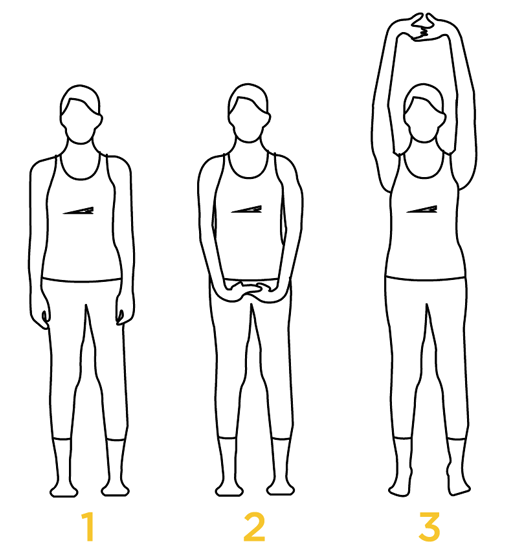
Tadasana                                                                                                                                                 

  • Stand straight on the ground and spread your feet a little bit to match the width of your hips
  • Take a deep breath and raise both your arms while breathing in
  • Interlock your fingers and face your palms upwards
  • Now raise both your heels simultaneously and feel the pressure of stretching from toes to fingers
  • Try to maintain this pose as long as you can with slow and deep breathing
  • Now come to the original position while gently breathing out
  • You can repeat this asana a few times with short rest periods in between

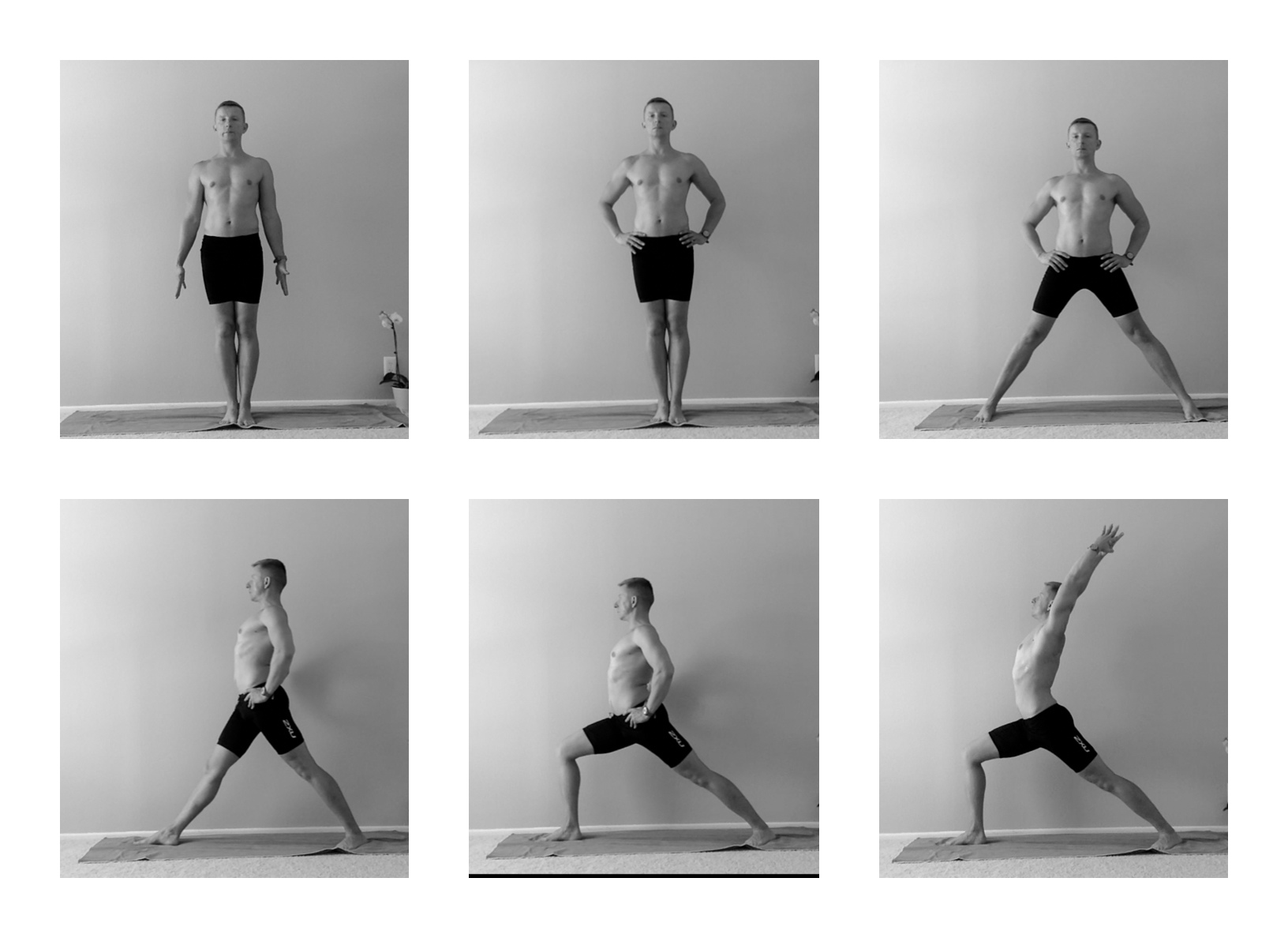
Virabhadrasana                                                                                                                                                       

  • Stand straight keeping your feet together and the hands on your hips
  • Spread your feet sideways to a comfortable position as shown in the picture
  • Turn your whole body towards the right side
  • Bend your right knee slightly as shown in the picture
  • Join your palms and lift your hands above your head while taking a deep breath in
  • Look upwards
  • Try to maintain this pose as long as you can with slow and deep breathing
  • Now come to the original position while gently breathing out
  • You can repeat this asana a few times with short rest periods in betweenCaution:
  • It is advisable to learn yoga postures from an experienced yoga instructor and then practice them at home
  • If you suffer from frequent headaches, low or high blood pressure, spinal problems and other chronic illnesses it is advisable to do this asana after consulting a doctor

For further reading, I would suggest the following links:

  1. http://www.heart.org/HEARTORG/HealthyLiving/PhysicalActivity/Yoga-and-Heart-Health_UCM_434966_Article.jsp#.W2U3q9IzaM9
  2. http://journals.sagepub.com/doi/10.1177/2047487314562741

So, if you have been wondering if yoga is something for you, yes you should give it a try! There is sufficient scientific evidence to show that yoga practice together with a healthy lifestyle will keep all our organs including our heart healthy. With patience and a little bit of time each day, it is possible to master the postures and lead a disease-free life.


Categories
Uncategorized

Lifestyle versus Genes in the causation of heart attack

Are you anxious and concerned that more and more people who appear healthy and normal are suffering a heart attack? Are you puzzled about how some individuals seem to have an unfair health advantage over others?

Lifestyle risk factors

We have discussed the modifiable and non-modifiable risk factors for heart attack or myocardial infarction in an earlier thread: http://www.cardiacwellnessinstitute.com/heart-disease-treatment-prevention/uncategorized/heart-disease-whats-all-the-hue-and-cry-about/

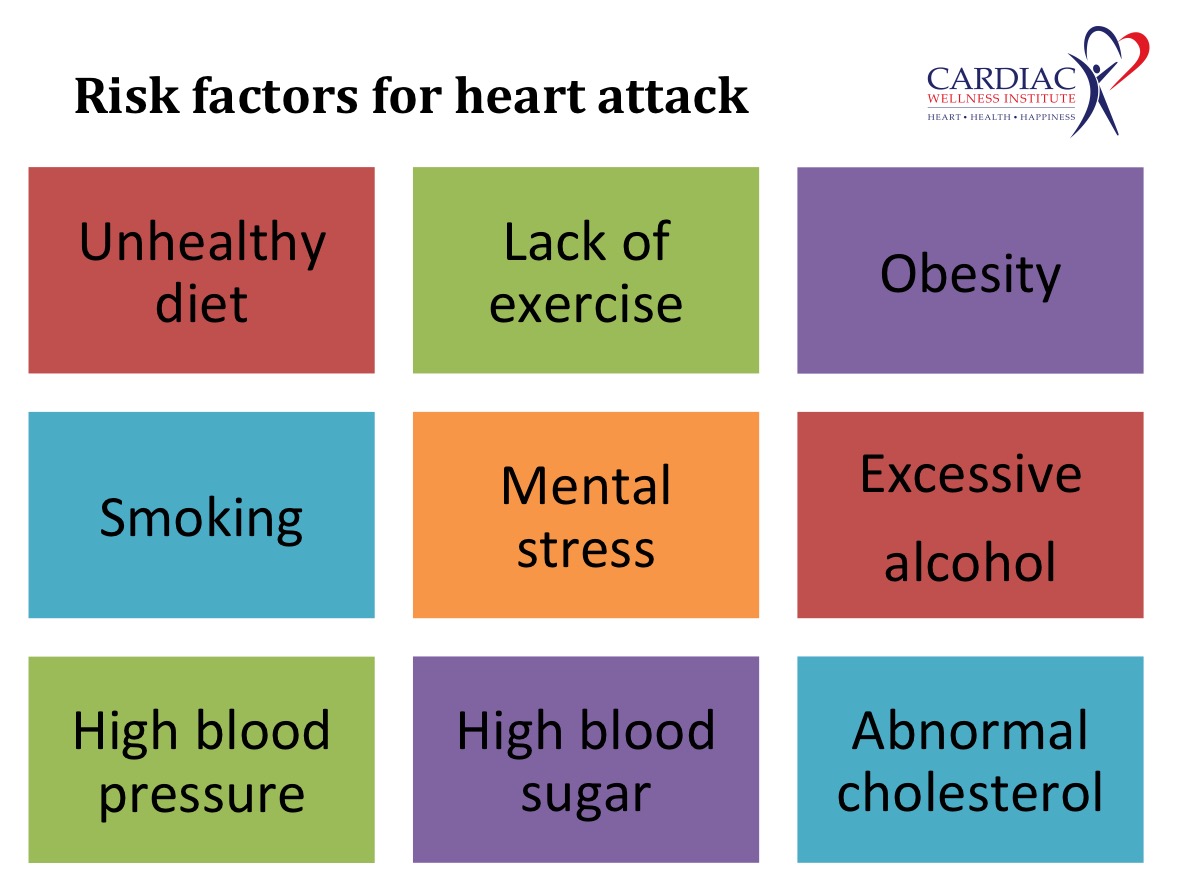
The INTERHEART study published in the year 2004 provided a major breakthrough in our understanding of the causation of heart attack. The researchers included 15152 individuals with heart attack and 14820 persons without a history of heart disease, from 52 countries, in this study. They identified that the 9 risk factors shown in the picture below are collectively responsible for 90-95% of the heart attacks we see today. Each one of these is an independent risk factor and presence of more than 1 risk factor multiplies the risk alarmingly.

Genetic risk factors

If you have been to a doctor by yourself or with someone, with a chest pain, your doctor would have asked the question “does anybody in your immediate family have a heart disease?” as part of the medical history taking.

Genes, as we all know, are the building blocks of our cells. We derive our genetic imprint from our parents and ancestors, share many of our genes with our siblings and relatives and even pass them on to our children. So, what is the chance that you will suffer a heart attack if your father or mother has had one? It is definitely higher than for your friend who does not have a family history of heart attack. However, research from the recent past provides some interesting insights into the role of lifestyle and genes in causing myocardial infarction.

Over 3000 Costa Ricans, equal numbers with and without myocardial infarction, participated in a medical research study published in 2016. An in-depth analysis of the lifestyle and genetic markers of heart attack in this population revealed that lifestyle risk factors were more strongly associated with heart attack than genetic susceptibility.

Take-home message

Leading a healthy lifestyle has by far the best chance of protecting you from heart attack even though you might have a family history. You might want to start by scoring yourself based on your lifestyle using the SLAM score http://www.cardiacwellnessinstitute.com/heart-disease-treatment-prevention/uncategorized/the-race-against-ourselves/


Categories
Uncategorized

Food and Mood

Did you know that your mood can affect your food choices? Yes, it is a proven fact. And of course, your food choices can also affect your mood. Nowadays, people are often experiencing symptoms of depression and anxiety like bad mood, irritability, lack of motivation and low energy levels that it becomes difficult to garner the attitude and motivation to make healthy food choices. Instead of opting for the time-tested local produce, we tend to choose convenience and comfort foods at times of stress, depression and anxiety.

Always remember that a healthy diet is important for your mental and emotional well-being and to prevent chronic ailments like depression and anxiety. When you are feeling well, you may find it easier to stick to a healthy diet, which will in turn help you to continue to feel well. On the other hand, bad mood leads to rash and unhealthy food choices which in turn worsen your mental stability.

How food can lift your mood 

Enjoying a wide variety of vegetables, fruits, nuts, seeds, wholegrain cereals, legumes, low-fat dairy, lean meat and oily fish are the best way to prevent and improve psychological problems. If you’re eating a healthy well-balanced diet of whole foods that contain a variety of nutrients, you’re more likely to feel calm, be in a better mood and think through workable solutions for your problems.

Some components of these diets that may be important for mental health include:

  • Increasing the intake of omega-3 fatty acids, found in fish, flaxseed, chia seeds and walnuts, to help fight off feelings of depression
  • Loading your plate with mood-supporting food by eating a rainbow of fruits and vegetable every day
  • Sprinkling in magnesium-rich foods such as almonds, spinach, pumpkin seeds and sunflower seeds which support sound sleep
  • Including whole grain products such as brown bread, brown rice, oatmeal, millets etc…which are fibre-rich foods and can promote the growth of good gut bacteria known to have a positive effect on mental health
  • Adding fermented foods like idli, dosa, kanji, dhokla, curd and cheese in the daily diet can also help the mood component through probiotics
  • Eating plenty of dopamine-building foods such as fish, poultry, eggs, leafy greens and legumes will increase your energy level, motivation and prevent depression, forgetfulness, insomnia etc
  • Limiting sugars in your diet as much as possible can help prevent abnormal body weight, depression and metabolic syndrome. Including natural sugars daily through whole fruits and root vegetables is an excellent health-promoting behaviour
  • Getting enough vitamin D rich foods in your diet is associated with low risk of depression and mood disorders. Vitamin D can be found in fatty fish, dairy products, egg yolks, orange, soy milk and sunshine
  • Keeping up your daily water intake is vital to maintain hydration and help you to feel more alert and productive.

How food can lower your mood 

Studies show that today’s diet is higher in processed foods with plenty of added salt, sugar and unhealthy fat and can increase the risk of depression and anxiety. If people feel a lack of motivation and energy they find foods such as chips, soft drinks, junk foods, preserved and processed foods. Unfortunately, a diet focused on these types of foods is more likely to aggravate symptoms of depression and anxiety.

  • If you aren’t eating at regular intervals and not getting enough calories, you may end up feeling foggy, tired and low in energy
  • Skipping meals, particularly breakfast, saps your energy and leaves you in a foul mood throughout the day
  • A diet lacking essential vitamins and minerals can cause depression, inability to concentrate and chronic fatigue. Moreover, it disrupts the brain cells and alters mood and behaviour
  • Chronic imbalance between the healthy unsaturated fatty acids (MUFA, PUFA) and unhealthy saturated fatty acids, particularly a lack of omega 3 fatty acids in the diet, has been linked to mental health problems
  • Habitual consumption of processed foods contribute to a larger waistline, feeling of sluggishness and quite often to insulin resistance and inflammation

Insulin levels: Some processed foods especially those with large amounts of added sugars can cause insulin levels to spike and drop rapidly, causing hunger to occur again fairly quickly.

Inflammation: Chronic inflammation can be a result of a diet that includes a large amount of processed and manufactured foods. This leads to elevated levels of C-reactive protein, which is associated with increased risk of psychological distress and depression.

As a nutritionist, my biggest challenge is to help my clients achieve their cardiovascular and overall health goals by altering their nutritional behaviour slowly but steadily. It is the integrated teamwork of the physician, physiotherapist, counselling psychologist and myself that helps achieve the desired physical and mental wellbeing in all our clients. We help our clients understand that just as heart rate and blood pressure are clear indicators of heart function, mental health, physical activity and dietary patterns are equally important parameters of cardiovascular health.

The take-home message:

  • Choosing healthy foods may help you to feel well and happy
  • A balanced wholesome diet may help to prevent and improve symptoms of depression and anxiety
  • Keeping a regular stock of healthy foods at home and work can help, eg. nuts, raisins, dried fruits etc.
  • Consume foods high in fibre to provide a sense of fullness
  • Drink fresh water throughout the day
  • Watch your alcohol intake


Categories
Uncategorized

SLAM score for heart health

We all love a competition now and then! A running race, a sack race, a bicycle race, a swimming race, a painting competition, a cooking competition, the list is endless. But we all like winning, no matter who or what is up against us.

So dear friends, let me introduce a new kind of competition to you! One in which you have to compete not against humans or gadgets, but against some of your own health-related behaviours. Yes, you are up against your own lifestyle risk factors (as shown in the left column) caused by your everyday behaviours (listed in the right column) in the table below.

Risky Lifestyle 

Negative behaviours that put your health at risk

1. Sedentary life 1.       Jobs that require long sitting hours

2.       Long commute in a bus/car/motorised vehicle

3.       Television/computer/mobile phone for entertainment

4.       Lack of awareness and interest in active lifestyle

5.       Inability to exercise due to poor time management

6.       Not establishing an exercise schedule that is sustainable

2. Unhealthy diet 7.       Consuming things without knowing their benefits/harms

8.       Not maintaining proper meal times

9.       Failure to make meal times an enjoyable family time at home

10.    Rewarding children/self with unhealthy treats

11.    Binge eating or force-feeding yourself/kids

12.    Ignorance about food labels and shelf life of foods/beverages

13.    Lack of interest in locally available natural ingredients

3. Addiction to tobacco/alcohol 14.    Giving in to peer pressure

15.    False belief that consuming tobacco/alcohol is trendy

16.    Associating abuse of substances with better quality of life

17.    Seeking relaxation in substance abuse

18.    Unaware of the poisonous chemicals they contain

19.    Reluctance to seek professional help to quit

4. Chronic mental stress 20.    Taking on more responsibility than you can handle

21.    Failure to recognize the stress triggers and your reactions

22.    Trying to conceal your emotions and feelings

23.    Not practicing any stress management technique

24.    Considering mental health problems a stigma

25.    Self-blame and not giving yourself a chance to feel better

5. Poor sleep habits 26.    Not knowing that sleep is as essential as water and food for us

27.    Spending too much time on the screen/monitor/gadget

28.    Not maintaining proper sleep hours while working/studying

29.    Consuming a lot of stimulants and energy drinks

30.    Taking sleeping pills on a regular basis


Self-Lifestyle Analysis and Monitoring score (SLAM score)

Using the 30 health behaviours and the 5 lifestyle risk factors listed in the table, each one of you can score yourself:

For each health-related behaviour you have, you get -1 point.

For each lifestyle risk factor you have, you get -4 points.

The worst SLAM score (if you have all the behaviours and risk factors) is -50 [that is, (-1×30 = -30) + (-4×5 = -20)=-50].

For example, if you are a bank employee who sits at the counter all day, commutes 45 minutes up and down to work by train, has a busy work schedule and a tight routine at home without much time for yourself, eats at odd hours and has a lot of ongoing stress due to work pressure and expectations at home, and gets less than 6 hours of sleep on average per day, it is highly likely that your SLAM score is in the unhealthy range (-20 to -40).

The ideal SLAM score

If you have identified your unhealthy behaviours and lifestyle risk factors and are ready to change for the better, your SLAM score is 0. Yes, for the first time getting a zero feels good! However, the ideal SLAM score is not 0, but +50. If you have a negative score, converting the negative score to a positive score will drastically change your health for the better. If you have a -20, the success is in gradually modifying your lifestyle to reach +20 within 3-6 months and aim for +50 in a year’s time.

Slow and steady changes to the unhealthy behaviours in a manner that is enjoyable and sustainable is the only way to reverse a negative SLAM score. The impact of these changes on your energy levels, fitness, confidence, cardiovascular health and overall health will be enormous.

The table below will help you make a plan on what behaviors to work on and how to achieve a healthy lifestyle. Each healthy behavior gets +1 point and each healthy lifestyle +4 points. My suggestion is to take one at a time, work on it till you’re sure you’ve got it right and then take up the next one. Be kind to yourself, don’t rush everything, and most importantly enjoy the transformation!

Healthy Lifestyle Positive behaviours that nurture good health
1. Regular exercise 1.      You take active breaks in between your long sitting hours

2.      You walk/cycle for at least a part of your long commute

3.      You prefer the outdoors than gadgets for entertainment

4.      You exercise on most days of the week for at least 30-40 minutes

5.      You manage your time well at work and home

6.      You establish an exercise schedule that you enjoy and adhere to

2. Healthy diet 7.      You understand the benefits and harms of what you eat/drink

8.      You stick to proper meal times

9.      You and your family enjoys the meal times at home

10.   You do not use unhealthy treats as rewards

11.   You do not binge eat or force-feed

12.   You read food labels and know the shelf life of foods/beverages

13.   You consume fresh locally available fruits, veggies and whole grains

3. No tobacco/alcohol use 14.   You resist peer pressure

15.   You know that consuming tobacco/alcohol is not trendy

16.   You know that abuse of substances is harmful for your health

17.   You have healthy relaxation strategies in place

18.   You understand that each cigarette has several poisonous chemicals

19.   You seek professional help to quit

4. Well managed stress 20.   You only take as much responsibility as you can handle

21.   You know your stress triggers and your reactions to them

22.   You do not mask your emotions and feelings

23.   You manage your stress with exercise/yoga/meditation etc.

24.   You recognize that mental health problems are not a stigma

25.   You seek help and give yourself a chance to feel better

5. Good sleep habits 26.   You understand that sleep is as essential for us as water and food

27.   You avoid viewing bright digital screens late into the evening

28.   You get 6-8 hours of sleep on most nights

29.   You avoid energy/stimulant drinks and go for fresh homemade ones

30.   You only take sleeping pills when prescribed and for short periods


Categories
Uncategorized

10 Golden rules to incorporate exercise while at work

Nowadays, we are so busy with work that exercise is completely missing from our daily routine. Especially, the younger generation is glued to the chair for long hours, working on computers, watching television and studying for exams. This causes many unwanted reactions in the body, often leading to chronic health issues. Lack of exercise is a major reason for the growing rate of obesity, diabetes, high blood pressure and heart disease. In this blog post, let me guide you through 10 golden rules that can be incorporated in your busy work day to change your lifestyle from sedentary to active.


  1. Avoid taking the lift; instead, you can use the stairs for climbing up and down. This is a great way to improve your cardiac and lung function and tone up your legs.
  2. Park your vehicle at a distance from your office and walk a while; or use the public transport system so that you compulsorily move those lower limbs.
  3. Go for a walk to the pantry and have your (healthy) snack or beverage instead of having it in your cabin.
  4. Drink water at regular intervals so that you will get up more often to walk to the loo.
  5. Walking meetings can be organised instead of sitting in a cold conference room. It not only adds up to your day’s exercise but also improves your brain function and your work performance.
  6. Avoid using the intercom facility and move around the office to communicate with your colleagues.
  7. Use your lunch break for a short walk.
  8. Do at least 5 minutes of stretching exercises at the end of every hour of desk job.
  9. If you travel frequently on work, use the opportunity to walk in the train station or airport before boarding.
  10. Form interest-based groups amongst your colleagues so that you can plan group activities during after-work hours and on your off days.

Hope you enjoy implementing these simple but effective measures to pep up your activity levels and preserve your heart health.

Categories
Uncategorized

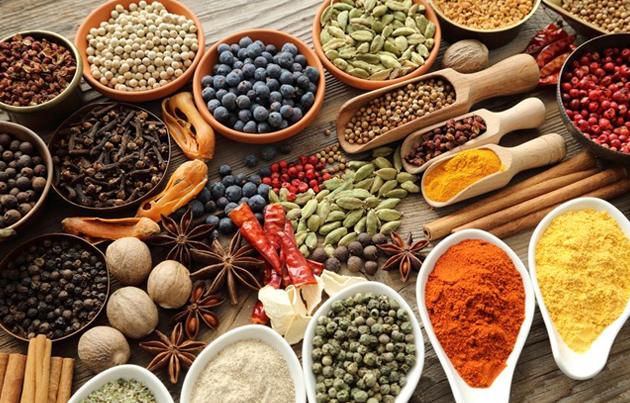
The Healthfulness of Spices

Spices not only just excite your taste buds but are also composed of an impressive list of phytonutrients, essential oils, antioxidants, minerals and vitamins that are essential for overall wellness. Spices come from a variety of tropical plant and tree parts, such as seeds, fruits, roots, buds, stems and barks. Spices have been an integral part of our food for centuries, and today, become even more relevant in preserving good health as their popularity has widened and usage reached almost all the households on the planet!

Classification of Spices

Spices can be categorized botanically according to their source as follows:

  • Leaves of aromatic plants: Examples include bay leaf, rosemary, thyme, etc.
  • Fruits or seeds: Examples include fennel, nutmeg, coriander, fenugreek, mustard, and black pepper, etc.
  • Roots or bulbs: Examples include garlic, turmeric, ginger, etc.
  • Bark: Cinnamon, Cassia, etc.

In this post, you will learn about the various healthy spices along with their nutrition facts and health benefits:

  Cardamom – ஏலக்காய்

Cardamom is a seed pod, known for centuries for its culinary and medicinal properties. There are two kinds of cardamom used in Indian cooking: green and black. Green is the more common variety, used for everything from spice mixes to lassies to Indian desserts. Green cardamom can be blended whole when making spice mixes, like garam masala, however, when using them in sweets or desserts, you would pop the pod open and lightly crush the fragrant black seeds before using.

Black cardamom, on the other hand, is very powerful and smoky and needs to be used with a lot of caution. Normally only the seeds would be used, and if using the whole pod, it’s best to pull it out before serving the dish, as it can be very spicy to bite into.

  Nutrition facts

  • Cardamom is rich in various vitamins and micronutrients as well. These include niacin, pyridoxine, riboflavin, thiamine, vitamin A & C, sodium, potassium, calcium, copper, iron, manganese, phosphorus and zinc.

 Benefits of cardamom

  • Helps improve cardiovascular health
  • Aids in improving blood circulation
  • Treats nausea, sore throat, vomiting and hiccups
  • Reduces risk of colorectal cancer
  • Helps to cure stomach disorders

 Clove – கிராம்பு

Clove is a common spice in Indian cooking and it’s easily recognizable in many Indian preparations. The strong, almost medicinal flavour of clove comes from the concentration of essential oils. Cloves are technically flowers, and a lot of their oils are pressed out before they are dried and used in cooking. Cloves can be used whole or blended into spice mixes.

 Nutrition facts

  • Minerals in cloves include calcium, iron, magnesium, phosphorous, potassium, sodium and zinc
  • The vitamins found in them include vitamin C, thiamine, riboflavin, niacin, folate, vitamin B6, vitamin B12, vitamin A, vitamin E, vitamin D, and vitamin K

  Benefits of clove

  • Helps to control blood sugar levels
  • Protects liver against infections
  • Prevents bone erosions
  • Gives relief from inflammation & pain
  • Helps to cure oral diseases like gingivitis & periodontitis

  Cinnamon – இலவங்கப்பட்டை

Cinnamon is one of the highly prized items that have been in use since ancient times for its fragrance, medicinal and culinary properties. This delightfully exotic, sweet-flavoured spice is traditionally obtained from the inner brown bark of Cinnamomum trees. Cinnamon is used mainly as an aromatic condiment and flavouring

  Nutrition facts

  • Cinnamon contains vitamins and minerals that help to maintain good health. They contain nutrients which include water, protein, fibre, sugar, vitamins, and minerals. It also contains a very low level of fat
  • Minerals such as calcium, iron, sodium, potassium, magnesium, phosphorous and zinc are found in cinnamon. In terms of vitamins, they contain vitamin C, vitamin B6, folate, niacin, and riboflavin. It also contains vitamin A, D, E and K

   Benefits of cinnamon

  • Prevents coronary artery disease and high blood pressure
  • Removes blood impurities and improves blood circulation
  • Controls blood sugar in diabetics
  • Relief from menstrual discomfort and cramping
  • Provides relief from the stiffness of muscles and joints

  Black pepper – கருமிளகு

Black pepper is the fruit of the black pepper plant from the Piperaceae family and is used as both a spice and medicine. It is regarded as the “king of spice,” black pepper is an incredibly popular spice since ancient times. It is not a seasonal plant and is, therefore, available throughout the year. When dried, this plant-derived spice is referred to as a peppercorn. Because of its antibacterial properties, pepper is used to preserve food. Black pepper is also a very good anti-inflammatory agent.

   Nutrition facts

  • Black pepper is a rich source of minerals like manganese, copper, magnesium, calcium, phosphorus, iron, potassium, and vitamins like riboflavin, vitamin C, K and B6.
  • It has a high content of dietary fibre and has a moderate amount of protein and carbohydrates too.

   Benefits of Black pepper

  • It aids in weight loss and cures vitiligo
  • Provides respiratory relief
  • It prevents earaches and gangrene
  • Reduces risk of cancer, cardiovascular and liver ailments
  • Improves cognitive function

    Cumin –  சீரகம்

Cumin (Cuminum cyminum) is a flowering plant which belongs to the family Apiaceae. Cumin seeds are extensively used as a condiment or a spice in culinary practices of the Indian Subcontinent and some other Asian, African and Latin American countries. Both whole and ground cumin is used as a staple in various dishes due to its distinct warm and earthy flavour. Because of its strong aroma, only a small amount of cumin essential oil is used in recipes to provide them with a powerful punch. Both cumin and cumin essential oil boasts a number of important nutrients that can help keep you healthy.

     Nutrition facts

  • Cumin is an excellent source of iron, manganese, magnesium, calcium, phosphorus, thiamine, riboflavin, niacin and vitamin A, C, E, K, B1and B6
  • It contains minerals such as copper, zinc, and potassium
  • It is also rich in protein, amino acids, carbohydrates and dietary fibre
  • It is very low in saturated fats, sodium, and cholesterol.

        Benefits of Cumin

  • Regulates digestion
  • Beneficial for lactating mothers
  • Cures piles
  • Improves memory

Coriander Seeds – கொத்தமல்லி விதைகள்

Coriander is probably the most universal of spices in the Indian spice rack. It is one of the oldest-known spices in the world, and it’s characterised by its golden-yellow colour and gently ridged texture. The seeds are very aromatic with citrus notes. Whole coriander is used as a base for many spice mixes, and ground coriander is one of the most commonly used ground spices in Indian cuisine. It is a very popular ingredient in Asian dishes and curries, but they are also used in the making of sausage, stew, soup, bread, and in pickling vegetable. Some people even use coriander seed in the process of brewing beer.

        Nutrition facts

  • Coriander seeds are packed with nutrients, including high levels of dietary fibre, antioxidants, B vitamins, vitamin C, potassium, manganese magnesium, iron, zinc and calcium
  • These seeds also provide a moderate amount of protein and fat and the smell of coriander comes from its antioxidants and volatile oils, which include linoleic acid, oleic acid, Linalool, alpha-pinene, and terpene, among others.
  • Reduces cholesterol levels & high blood pressure.

      Benefits of coriander

  • Reduces cholesterol levels & high blood pressure
  • Promotes healthy bones
  • Beneficial for diabetics
  • Prevents conjunctivitis and macular degeneration
  • Gives relief from anaemia

Fenugreek seeds – வெந்தய விதைகள்

  • Fenugreek is an annual plant that is also known as methi in many parts of the world. The seeds are yellowish and look like tiny wheat kernels. It can be used for three distinct purposes: The leaves can be dried and used as herbs, the seeds can be ground into a spice, and the plant matter itself can be used as a vegetable, like sprouts and micro greens.

         Nutrition facts

  • It contains a variety of beneficial nutrients, including iron, magnesium, manganese, and copper, as well as vitamin B6, protein, and dietary fibre
  • Fenugreek also contains a number of powerful phytonutrients, including choline, trigonelline, yamogenin, gitogenin, diosgenin, tigogenin, and neostigogenins.

         Benefits of fenugreek

  • Lowers risk of heart ailments, dyslipidemia & kidney problems
  • Relieves constipation
  • Controls diabetes
  • Good for lactating mothers
  • Minimizes symptoms of menopause

Nutmeg and Mace –  ஜாதிக்காய் மற்றும் ஜாதிக்காய் தோல்

  • These spices nutmeg and mace are used a lot in Indian cooking. Mace is the dark-red outer covering of the nutmeg. Fresh nutmeg is processed by removing the pulpy outside and sliding off the mace. It has a tough outer covering that needs to be cracked off before grating. When dried, mace turns golden-orange and gives stronger in flavour than nutmeg. In our diet, they can usually be interchanged when preparing sweet dishes.

         Nutrition facts

  • The nutritional profile of this spices contains vitamin A & C, iron, calcium, copper, iron, manganese, dietary fibre, B vitamins
  • The spice has a small amount of fat, and a high concentration of volatile acids and antioxidants, such as myristicin, carotenoids, Linalool, pinene, cineole, and eugenol etc.

         Benefits of nutmeg & mace

  • Boosts digestive and bone health
  • Helps to dissolve kidney stone
  • Reduces skin inflammation & irritation
  • Provides relief from insomnia

Mustard – கடுகு

Mustard is a versatile cruciferous vegetable which belongs to the Brassica family just like broccoli and cabbage. Mustard seeds can be yellow, black, or brown and are used interchangeably in Indian cooking. The flavour of mustard seeds is released when they are crushed or cooked in oil. Their smoky, nutty flavour is a staple in curries and curry powders, and mustard oil is commonly used in the North of India.

         Nutrition facts

  • Seeds of its plant are a rich source of minerals such as calcium, magnesium, phosphorous and potassium
  • Along with this, it is a good source of dietary folate and vitamin A as well. Mustard greens or leaves of mustard plants are an excellent source of essential minerals including potassium, calcium and phosphorous and vitamin A, K and C
  • It is also a good source of magnesium and dietary fibre

         Benefits of mustard

  • Reduces risk of cancer and cardiovascular diseases
  • Aids in managing diabetes and cholesterol levels
  • Relief from respiratory disorders
  • Helps in curing pains and spasms
  • Effective in treating psoriasis and chronic bronchitis

Turmeric – மஞ்சள்

Turmeric is another common Indian spice and it’s closely related to the other members of the ginger family. This also makes it a popular ingredient in soups, sauces, curries, meat dishes, biscuits, rice preparations and as general spice flavouring for dozens of other cultural dishes and specialities. The flavour of fresh turmeric is slightly stronger than dried, and it stains very easily, so make sure you are careful with your clothes and utensils while using it.

         Nutrition facts

  • Turmeric is one of the most nutritionally rich herbs. It contains good amounts of protein, vitamin C, calcium, iron, dietary fibre and sodium
  • It also provides a rich supply of antioxidants, vitamin B6, potassium, magnesium, and manganese

         Benefits of turmeric

  • Helps in reducing stress and depression and maintaining heart health
  • Useful for treating gastrointestinal disorders
  • Helps to detoxify the body
  • It helps to prevent cystic fibrosis and cancer
  • It reduces menstrual pain and gives relief from nausea, fatigue, pelvic pain and cramps.
  •  
  • To summarise, the above-discussed spices provide innumerable benefits to our health and should be used in our daily cooking. Besides adding flavour and taste to dishes, they help prevent and alleviate various health problems. Instead of salt, you can choose one or more of these spices to replace it with various dishes like stew and soups, fruit and vegetable smoothies, salads, meat and seafood.
  • “Adding flavour with spices makes food taste better and adding spices to foods makes it easier to reduce added sugars, excess salt and saturated fats without reducing appeal”.

    Live Life With A Little Spice!

Categories
Uncategorized

5 Tips to travel the heart-friendly way

It is that time of the year when many of us are making plans to travel. Whether it is a short weekend trip or a long journey to a faraway place, there are some things to take into account before you go on a holiday, especially if you or your loved ones have been diagnosed with a cardiac condition.

Rule no.1: Get your doctor’s green signal

It is very important to discuss with your doctor prior to finalizing your holiday; a thorough check-up is warranted to ensure that you are medically stable and fit for travel. The location that you are planning to visit, the weather conditions there, the activities that you intend to engage in and the accessibility to healthcare are some of the key points that your doctor will expect you to know about, based on which you will be allowed or advised against the proposed trip.

For instance, if you have high blood pressure and coronary heart disease, travel to a high altitude location and engaging in activities like hiking at high altitude needs extra preparation and care. On the other hand, if you would like to do voluntary work in a remote village, identifying a hospital nearby will be key to ensuring a safe trip.

With device therapy for the heart (like pacemakers and ICDs)becoming commonplace, it is important to keep a device-card to show to the airport security check personnel (as metal detectors can beep due to the metal parts in a cardiac device).

Rule no. 2: Stock up on your medicines

The last thing you want to be doing on your holiday is search desperately for a medical shop that has a supply of your prescription drugs! Purchase your medications before leaving as per the number of days of travel (keep some extra stock for those unplanned extensions) and make a note of the expiry date of all meds. Keep a copy of your prescription handy in your hand baggage as you tuck away some pills for use during the commute. Be aware of the ideal storage requirements of your drugs (as you neither want your insulin frozen nor your capsules melted).

If your doctor is adjusting your BP or sugar medicines based on weekly readings, try not to leave on a vacation until the dosing and the BP has stabilized. I recently had to provide emergency medical care for an elderly lady on an international flight. She was being treated for hypertension and had left on a long flight journey within 2 days of a major adjustment to her medication. Her BP shot up to dangerous levels during the flight and she was almost in a hypertensive crisis but we were able to bring things under control.

Rule no. 3: Opt for a good travel Insurance scheme

There is nothing like good travel insurance coverage to take care of your unexpected illnesses while away from home. Many factors such as length of holiday, nature of disease and requirements of your destination country should be considered prior to buying travel insurance. It is a good idea to read the fine print to understand what is covered and what is not.

Rule no. 4: Read about any health warnings or vaccine requirements

While travelling is a pleasant experience and holds a special place in our hearts, it is mandatory to check for any health risks such as viral infections or endemic illnesses that could be a cause for concern for you. Likewise, if any vaccines have to be taken prior to arriving at a particular destination, you have to comply with that requirement to prevent any travel-related infections.

Rule no.5: Make time for health-promoting activities

Once you’re off on your vacation, do not forget to eat healthily, to get your daily dose of exercise and to immerse yourself in the new environment. While eating healthy can be more challenging outside than at home, focusing on natural and less processed foods and keeping some healthy snacks like nuts and fruits for your hunger pangs are tips to follow.

While you may be walking around monuments and natural spectacles, keep a track of how much activity you are getting and top it up with simple exercises like warm-ups, cool-down stretches and strength training while on the move. A practical suggestion is to keep a health diary (on a phone or any other device or on paper) wherein you record any changes in your health status and any new medicines or therapy you follow while travelling.

In conclusion, the most important rule is to have a lot of fun with the confidence that you have planned well in advance and taken all the necessary precautions.

Categories
Uncategorized

Control high blood pressure by eating right

With high blood pressure or hypertension being the most widespread cause of heart disease and stroke, let us try to understand the ideal eating pattern to prevent and control hypertension.

DASH stands for Dietary Approaches to Stop Hypertension. It is a flexible and balanced diet plan that helps create a heart-healthy eating style for our life. This DASH diet is a lifelong approach to healthy eating that is designed to prevent and control high blood pressure.

The goal of DASH diet is to encourage people to reduce salt in their diet and eat a variety of foods rich in nutrients, such as potassium, calcium and magnesium, that help lower blood pressure.

There are two versions of the DASH diet:

  • Standard DASH diet.You can consume up to 2,300 mg (or) 1 teaspoon of salt a day. This is meant for anyone who wishes to adopt a healthy food pattern to prevent heart and blood vessel problems.
  • Lower sodium DASH diet.You can consume up to 1,500 mg (or) ¾ teaspoon of salt per day. If you have been diagnosed with high blood pressure, swelling or edema of feet or have heart failure this is the salt level that is ideal for you.

Foods to be included more in your daily diet

  • Vegetables
  • Fruits
  • Low-Fat or Fat-Free Dairy
  • Whole-Grains
  • Lean Meat, Fish, & Poultry
  • Nuts, seeds and legumes

Foods to be kept to a minimum

  • Sodium (salt)
  • Sugar / Sweets
  • Fatty meats
  • Saturated and Trans Fats

Now, let us see the recommended Daily Servings for the healthy food groups:

  1. Vegetables: 4-5 servings
    1 serving = 250 ml (1 cup) raw green leafy vegetables; 125 ml (½ cup) cooked vegetables

Examples: Broccoli, carrots, tomatoes, sweet potatoes, avocadoes, mushroom, brussels sprouts, spinach and other greens or veggies etc

Advantages: Vegetables are packed with potassium, magnesium as well as fibre and vitamins.

  1. Fruits : 4-5 servings
    1 serving = 1 medium piece of fruit; ½ cup fresh, frozen or canned fruit

Examples: Bananas, apples, grapes, berries, lemons, pineapple, apricots, tomato, oranges etc

Advantages: Fruits are great sources of fibre, potassium, and magnesium and low in fat. They can easily be enjoyed as a snack or a side dish with other main courses.

Note: If you go for canned fruit or juice, make sure no sugar is added.

  1. Grains (mainly whole grains): 6-8 servings

1 serving = 1 slice whole-wheat bread; 125 ml (½ cup) cooked rice, pasta or cereal

Examples: Bread, wheat, brown rice, pasta, oats, millets etc

Advantages: Always focus on whole grains instead of refined grains because it is low fat and nutrient-dense with many essential vitamins and minerals such as iron, B vitamins and zinc.

  1. Dairy Products (low fat): 2-3 servings

1 serving = 1 cup of skimmed milk (or) low fat yoghurt

Examples: Milk, yogurt, cheese etc

Advantages: Dairy provides plenty of calcium, protein, and vitamin D. However, aim for low fat or fat-free dairy, since dairy can otherwise be loaded with fat.

  1. Lean meat, Poultry and Fish: 2 servings or less

1 serving = 3 ounces of lean meat, poultry and fish

Note: The area of your palm covers 3 ounces of meat

Examples: Chicken, fish, egg etc

Advantages: Meat can be a rich source of protein, iron, B vitamins and zinc. Take heart- healthy fish such as tuna, salmon and herring which provides omega 3 fatty acids to reduce your bad cholesterol.

  1. Nuts, Seeds and Legumes: 4-5 servings per week

1 serving = 1/3 cup nuts; 2 tablespoons seeds;1/2 cup cooked beans or peas.

Examples: Almonds, walnuts, sunflower seeds, kidney beans, peas, lentils, peanuts etc

Advantages: Seeds and legumes are good sources of protein, magnesium, and potassium. They’re also protective against certain types of cancer and cardiovascular disease due to their phytochemicals content.

  1. Fats and Oils: 2-3 servings per day

1 serving = 1 tablespoon vegetable oil

Examples: Olive oil, canola oil, safflower, sunflower, soybean etc

Advantages: Fat helps your body’s immune system and allows you to absorb vitamins. However, too much of fat increases your risk of heart disease, diabetes and obesity. 

Keep away from trans fats, found commonly in processed and fried food.

Health Benefits of the DASH diet

  • Reduces blood pressure
  • Lowers bad cholesterol and increases good cholesterol
  • Helps in weight management

More DASH Tips

  • If you now eat one or two vegetables a day, add another serving at lunch and dinner.
  • If you don’t eat fruit now or have only juice at breakfast, add a serving of fruit to your meals or switch out your juice for the whole fruit.
  • Opt for low fat or skimmed dairy when you might normally do full fat or cream.
  • Snack on nuts, raisins, unsalted and unbuttered popcorn or frozen yogurt rather than salty chips and cookies.
  • Use low fat or fat free condiments, and try reducing your salad dressing amounts by half. Home-made salad dressing consisting of pepper powder, lime juice, jeera powder and olive oil is a good alternative to store-purchased dressings.
  • Beware of the hidden salt lurking in pre-processed foods like ready-to-eat noodles, papadums, canned foods, ketchup and cooking pastes/powders.
Categories
Uncategorized

Relax, Refresh, Recharge

In the midst of our busy lifestyle, we very often forget to relax and rejuvenate our mind and body. Relaxation is nothing but a state of physical and mental calmness. Being relaxed automatically gives us the ability to manage psychological stress and anxiety in all situations. There are many techniques to help us attain a relaxed state, in this blog, I’m going to walk you through the popular stress-buster called “Progressive Muscle Relaxation Technique”.

As the name implies, this involves sequentially contracting and relaxing various muscle groups in our body.

The two steps to be followed in this technique are:

  1. Contract  (or) tighten
  2. Relax (or) release

Who should do it?

While anybody who desires a relaxed mind can follow this technique, anxious, stressed out and psychologically disturbed individuals should definitely practice this method for an improved state of mind.

Before starting…

  • Set a quiet place in your room
  • Wear loose, comfortable clothing
  • Free your time
  • Sit (or) lie down on a mat on the floor or on a firm bed
  • Initially take 5 deep breaths

Steps

  • Inhale and contract one muscle for 5 to 10 seconds
  • Then exhale and suddenly release the tension in that muscle
  • Give yourself 10 to 20 seconds to relax, and then move on to the next muscle
  • Try to focus on the changes when the muscle is relaxed
  • Gradually work your way up the body contracting and relaxing muscle groups

Note

  • The muscle contraction must be gentle, not too strong and painful
  • The technique must be performed slowly and your mind should be focused on it
  • It takes some time (probably a week or two) to get the right technique
  • Each session would take about 10 minutes, you can start by doing it 2 times per day.
  • Stay relaxed for a bit, and then slowly returns to daily life.

Benefits

  • Alleviates stress and anxiety
  • Reduces blood pressure
  • Relieves insomnia
  • Prevents heart ailments by keeping the risk factors under control
  • Improves symptoms of chronic pain
  • Improves memory and concentration as it is a form of meditation when done right

Contract-Relax and Feel Relaxed