Categories
Uncategorized

Seeds are packed with a powerful duo for heart health

We all know that heart health is largely determined by how much we exercise and the quality of food we consume on a day to day basis. But do we know the importance of seeds and the powerful duo of nutrition they contain? Let us deep dive into the world of seeds to understand how nature has packed these tiny parts of the plant with heart-healthy elements!

Seeds are the starting point of plant life and are rich in healthy fats, fiber, antioxidants, vitamins, and minerals. They are classified as edible and non-edible. Edible seeds such as flax, chia, sesame, pumpkin, sunflower, mustard, and fenugreek are safe and nutritious, while non-edible seeds like apple, cherry, apricot, and peach seeds may be toxic and should not be consumed.

For heart health, raw seeds are better than cooked seeds because they retain more omega-3 fatty acids, antioxidants, and vitamin E. Light roasting is acceptable occasionally, but raw or soaked seeds provide the best benefits. Seeds support digestion and heart health, while nuts supply sustained energy and healthy fats. But remember, both are best eaten in moderation.

How Omega-3 Fatty Acids Support Heart Health

Omega-3 fatty acids promote heart health by lowering various critical cardiovascular risk factors. They help to keep triglyceride level and blood pressure under control, and increase good (HDL) cholesterol, all of which contribute to healthier arteries. Omega-3s also help in controlling cardiac rhythm, minimizing the risk of irregular heartbeats. Their strong anti-inflammatory properties reduce inflammation within blood vessels, slowing the progression of artery damage.

Omega-6 fatty acids are healthy polyunsaturated fats that support heart health when consumed in small amounts. Different fatty acids act differently in the body, some can increase inflammation, a risk factor for heart disease, while others help reduce it. Ensuring a balance of omega-3 and omega-6 fatty acids helps control inflammation and promote heart health.

The ideal ratio of omega-6 to omega-3 in our diet is 1:1 to 4:1

How Antioxidants support Heart Health

Antioxidants are vital for heart health as they neutralize free radicals, which can cause blood vessel damage. They serve to decrease plaque development and prevent the growth of fatty deposits in the arteries by preventing bad (LDL) cholesterol from oxidizing. Antioxidants also increase endothelial function, allowing blood vessels to relax and contract appropriately, resulting in improved blood flow and circulation. Antioxidants help to reduce the long-term risk of heart attack and stroke by reducing oxidative stress and maintaining healthy arteries.
Seeds rich in Omega-3 Fatty Acids and Antioxidants

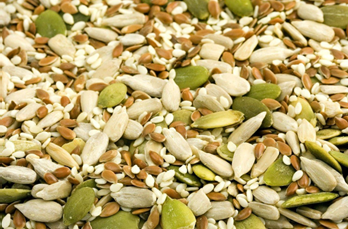
Seeds are tiny nutritional powerhouses for heart health, as they are rich in Omega-3 fatty acids and antioxidants. Let us take a closer look at the various seeds used in our daily diets.

  • Flaxseeds are high in plant-based omega-3 fatty acids and antioxidants, which assist to lower LDL cholesterol, reduce inflammation, and promote healthy blood vessels.
  • Chia seeds include omega-3 fats, fiber, and antioxidants, which aid in cholesterol reduction, blood sugar regulation, and weight management.
  • Hemp seeds offer a balanced ratio of omega-3 and omega-6 fatty acids, along with high-quality plant protein. They support heart health, muscle function, and reduce inflammation
  • Pumpkin seeds include antioxidants and magnesium, which aid in blood pressure control, cardiac rhythm regulation, and inflammation reduction.
  • Sunflower seeds are high in vitamin E, which is an antioxidant that protects blood vessels from oxidative damage and improves overall heart function.
  • Sesame seeds include unique antioxidants that help decrease total and LDL cholesterol while also supporting healthy blood vessel function.
  • Mustard seeds are used mainly for flavour and digestion. They contain antioxidants and omega-6 fatty acids, which support heart and metabolic health when used in small amounts.
  • Fenugreek seeds are rich in soluble fiber and plant compounds that help control blood sugar and reduce cholesterol absorption. They contain minimal omega fats and support heart health indirectly through metabolic benefits.

Flax / Chia seeds / Hemp seeds are balanced in their omega-3 and omega-6 fatty acid content.

Pumpkin, sunflower, mustard, fenugreek and sesame seeds are rich in omega-6 fatty acid so balancing them with foods rich in omega-3 is a must.

Why Balance Matters?

  • Too much omega-6 may increase inflammation
  • More omega-3 helps protect the heart
  • Plant omega-3 works better when omega-6 intake is controlled

Other food sources to include

Omega-3 rich foods include fatty fish such as salmon (Kaala), sardines (Mathi), and mackerel (Ayil), along with plant sources like soyabeans, mustard oil, rajma and walnuts. Antioxidant-rich foods include fruits such as guava, amla, oranges, and apples and vegetables like spinach, broccoli, and tomatoes, and green tea and chickpeas.

Simple Ways to include seeds in our daily diet

  • Add ground flaxseeds to curd, porridge, or vegetables
  • Soak chia seeds in water or buttermilk and consume
  • Sprinkle pumpkin or sunflower seeds on salads or soups
  • Use sesame seeds in chutneys and other recipes

Tips to Remember

  • Choose unsalted dry-roasted seeds
  • Avoid fried and flavoured seed products
  • Maintain portion control

Consumption of 1-2 teaspoons of mixed seeds daily is recommended. Seeds are nutrient-dense, so limitation is important. Over consumption of seeds can lead to bloating, constipation, blood sugar spikes and reduced mineral absorption. 1-2 teaspoons of mixed seeds contains 40-50 calories, excess intake can lead to unwanted weight gain.

Categories
Uncategorized

Health Benefits of Salads

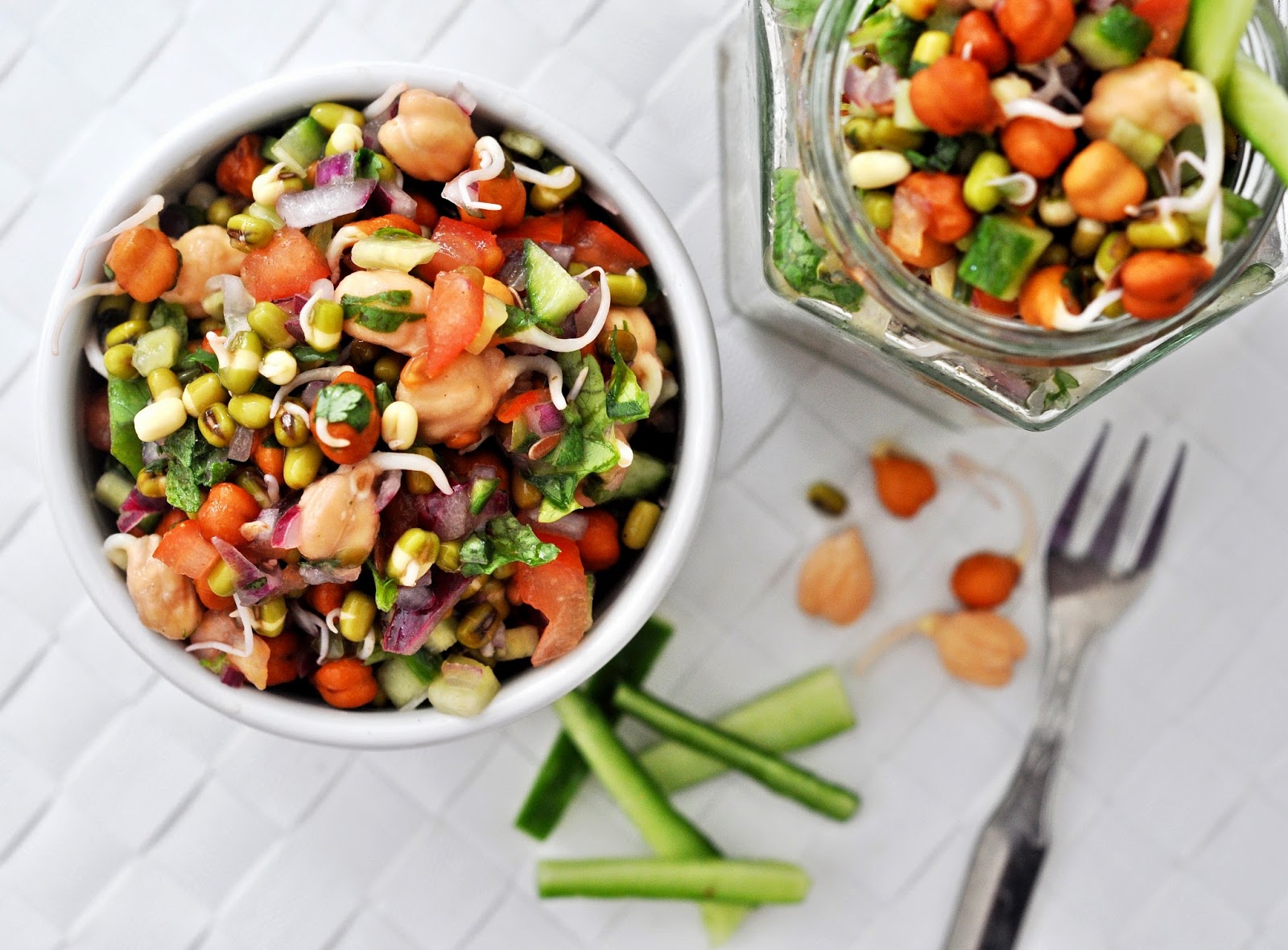
Have you had your salad today? Munching on a salad regularly may be one of the simplest and healthiest eating habits you can adopt in your day to day life. It is a magical way to work with a couple of servings of vegetables and fruits in your diet.

Are you eating out very often? If your answer is “yes, every week for sure with family, friends, and colleagues” then you should choose raw veggies salad instead of taking heavy foods.

Don’t have enough time to cook at home? Yes, of course, many of us are starved for time with demanding full-time jobs, classes, kids, dependent parents, etc but you can make a healthy nutritious green salad at home in just 5 minutes! Moreover, salads are cool, crunchy and fun to eat as they have lots of textures, colours, and flavours. Most of us enjoy eating salads, even kids!

Now, let us see what some health benefits of salads are …

  1. Chop up the fibre-rich veggies

Eating a high-fibre diet can help your blood cholesterol levels and prevent constipation. Enjoying a salad every day means you are adding fibre-rich vegetables such as cabbage, onion, cauliflower, radish, cucumber, carrots, beans, chickpea, sprouts and green peas to your daily diet.

  1. Love the raw crunch

If you’re someone who loves crispy and crunchy things, raw veggies bursting with nutrition is the way to go. Dark green leafy vegetables and orange veggies like carrots and capsicum are packed with powerful antioxidants (vitamin C and E, folic acid, lycopene, and alpha and beta-carotene). A 2017 study published in the American Journal of Clinical Nutrition suggests that eating a plenty of nitrate-rich vegetables such as lettuce, spinach, and beets reduces your risk of having a stroke or heart attack. (www.health.harvard.edu/heart-health/a-salad-a-day-keeps-stroke-away).

  1. Feel satisfied with less

Starting your meal with a bowl of salad will help you attain weight loss. Not a joke, it’s true, because salads are low in calories, high in fibre and rich in other nutrients like antioxidants, vitamins and minerals. Fibre helps you feel full making you eat less of the main course and dessert. There is adequate scientific evidence to show that eating more fibre can help you feel full, eat less and ultimately lose weight.

  1. Healthy fats can add taste to salads

Salads are known to be rich in healthy fats and protein. Try adding some healthy fats (like the monounsaturated fat found in olive oil, avocado and nuts and seeds) to your raw vegetables; it not only improves the taste but also helps your body absorb vitamins and antioxidants.

Having convinced you about the advantages of a salad a day, guess you’d like to know how to prepare a healthy salad:

  • Cut some extra veggies up when you are cooking for the day and freeze them in airtight boxes or zip lock bags.
  • Salads are rich in vitamins and healthy fats, so go for the unsaturated fats in olive oil or canola oil. Toss the vegetables with oil and vinegar which helps to prevent blood sugar spikes after meals.
  • The best way to include greens like cabbage, carrots, beets, cucumber, onions, tomato and spinach in our daily diet is in the form of salads.
  • Don’t forget to add the medicinal herbs like basil (thulasi), mint (pudhina), garlic, pepper, lemon juice to the salad for that strong punch of flavour and loads of disease-fighting antioxidants and also to improve your immunity levels.
  • While you are travelling pack your salads with as many veggies or fruits as possible to get the synergetic effect. Carrots, cucumbers, different coloured bell peppers, broccoli, peas, sprouts, mango, strawberries, raspberries or pears are great choices to get in different textures as well as plenty of filling fibre.

    Wishing you a lot of fun as you start experimenting with salads!


Categories
Uncategorized

The Healthfulness of Spices

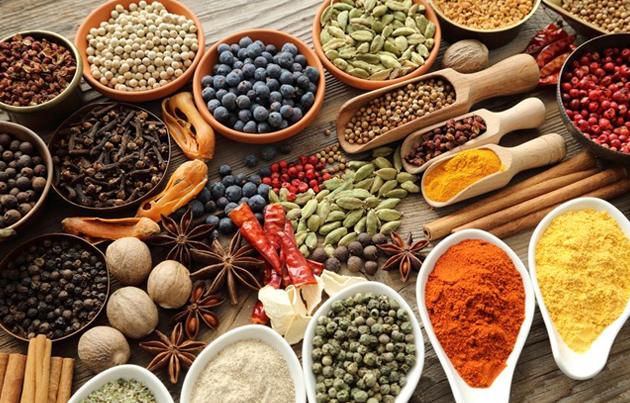
Spices not only just excite your taste buds but are also composed of an impressive list of phytonutrients, essential oils, antioxidants, minerals and vitamins that are essential for overall wellness. Spices come from a variety of tropical plant and tree parts, such as seeds, fruits, roots, buds, stems and barks. Spices have been an integral part of our food for centuries, and today, become even more relevant in preserving good health as their popularity has widened and usage reached almost all the households on the planet!

Classification of Spices

Spices can be categorized botanically according to their source as follows:

  • Leaves of aromatic plants: Examples include bay leaf, rosemary, thyme, etc.
  • Fruits or seeds: Examples include fennel, nutmeg, coriander, fenugreek, mustard, and black pepper, etc.
  • Roots or bulbs: Examples include garlic, turmeric, ginger, etc.
  • Bark: Cinnamon, Cassia, etc.

In this post, you will learn about the various healthy spices along with their nutrition facts and health benefits:

  Cardamom – ஏலக்காய்

Cardamom is a seed pod, known for centuries for its culinary and medicinal properties. There are two kinds of cardamom used in Indian cooking: green and black. Green is the more common variety, used for everything from spice mixes to lassies to Indian desserts. Green cardamom can be blended whole when making spice mixes, like garam masala, however, when using them in sweets or desserts, you would pop the pod open and lightly crush the fragrant black seeds before using.

Black cardamom, on the other hand, is very powerful and smoky and needs to be used with a lot of caution. Normally only the seeds would be used, and if using the whole pod, it’s best to pull it out before serving the dish, as it can be very spicy to bite into.

  Nutrition facts

  • Cardamom is rich in various vitamins and micronutrients as well. These include niacin, pyridoxine, riboflavin, thiamine, vitamin A & C, sodium, potassium, calcium, copper, iron, manganese, phosphorus and zinc.

 Benefits of cardamom

  • Helps improve cardiovascular health
  • Aids in improving blood circulation
  • Treats nausea, sore throat, vomiting and hiccups
  • Reduces risk of colorectal cancer
  • Helps to cure stomach disorders

 Clove – கிராம்பு

Clove is a common spice in Indian cooking and it’s easily recognizable in many Indian preparations. The strong, almost medicinal flavour of clove comes from the concentration of essential oils. Cloves are technically flowers, and a lot of their oils are pressed out before they are dried and used in cooking. Cloves can be used whole or blended into spice mixes.

 Nutrition facts

  • Minerals in cloves include calcium, iron, magnesium, phosphorous, potassium, sodium and zinc
  • The vitamins found in them include vitamin C, thiamine, riboflavin, niacin, folate, vitamin B6, vitamin B12, vitamin A, vitamin E, vitamin D, and vitamin K

  Benefits of clove

  • Helps to control blood sugar levels
  • Protects liver against infections
  • Prevents bone erosions
  • Gives relief from inflammation & pain
  • Helps to cure oral diseases like gingivitis & periodontitis

  Cinnamon – இலவங்கப்பட்டை

Cinnamon is one of the highly prized items that have been in use since ancient times for its fragrance, medicinal and culinary properties. This delightfully exotic, sweet-flavoured spice is traditionally obtained from the inner brown bark of Cinnamomum trees. Cinnamon is used mainly as an aromatic condiment and flavouring

  Nutrition facts

  • Cinnamon contains vitamins and minerals that help to maintain good health. They contain nutrients which include water, protein, fibre, sugar, vitamins, and minerals. It also contains a very low level of fat
  • Minerals such as calcium, iron, sodium, potassium, magnesium, phosphorous and zinc are found in cinnamon. In terms of vitamins, they contain vitamin C, vitamin B6, folate, niacin, and riboflavin. It also contains vitamin A, D, E and K

   Benefits of cinnamon

  • Prevents coronary artery disease and high blood pressure
  • Removes blood impurities and improves blood circulation
  • Controls blood sugar in diabetics
  • Relief from menstrual discomfort and cramping
  • Provides relief from the stiffness of muscles and joints

  Black pepper – கருமிளகு

Black pepper is the fruit of the black pepper plant from the Piperaceae family and is used as both a spice and medicine. It is regarded as the “king of spice,” black pepper is an incredibly popular spice since ancient times. It is not a seasonal plant and is, therefore, available throughout the year. When dried, this plant-derived spice is referred to as a peppercorn. Because of its antibacterial properties, pepper is used to preserve food. Black pepper is also a very good anti-inflammatory agent.

   Nutrition facts

  • Black pepper is a rich source of minerals like manganese, copper, magnesium, calcium, phosphorus, iron, potassium, and vitamins like riboflavin, vitamin C, K and B6.
  • It has a high content of dietary fibre and has a moderate amount of protein and carbohydrates too.

   Benefits of Black pepper

  • It aids in weight loss and cures vitiligo
  • Provides respiratory relief
  • It prevents earaches and gangrene
  • Reduces risk of cancer, cardiovascular and liver ailments
  • Improves cognitive function

    Cumin –  சீரகம்

Cumin (Cuminum cyminum) is a flowering plant which belongs to the family Apiaceae. Cumin seeds are extensively used as a condiment or a spice in culinary practices of the Indian Subcontinent and some other Asian, African and Latin American countries. Both whole and ground cumin is used as a staple in various dishes due to its distinct warm and earthy flavour. Because of its strong aroma, only a small amount of cumin essential oil is used in recipes to provide them with a powerful punch. Both cumin and cumin essential oil boasts a number of important nutrients that can help keep you healthy.

     Nutrition facts

  • Cumin is an excellent source of iron, manganese, magnesium, calcium, phosphorus, thiamine, riboflavin, niacin and vitamin A, C, E, K, B1and B6
  • It contains minerals such as copper, zinc, and potassium
  • It is also rich in protein, amino acids, carbohydrates and dietary fibre
  • It is very low in saturated fats, sodium, and cholesterol.

        Benefits of Cumin

  • Regulates digestion
  • Beneficial for lactating mothers
  • Cures piles
  • Improves memory

Coriander Seeds – கொத்தமல்லி விதைகள்

Coriander is probably the most universal of spices in the Indian spice rack. It is one of the oldest-known spices in the world, and it’s characterised by its golden-yellow colour and gently ridged texture. The seeds are very aromatic with citrus notes. Whole coriander is used as a base for many spice mixes, and ground coriander is one of the most commonly used ground spices in Indian cuisine. It is a very popular ingredient in Asian dishes and curries, but they are also used in the making of sausage, stew, soup, bread, and in pickling vegetable. Some people even use coriander seed in the process of brewing beer.

        Nutrition facts

  • Coriander seeds are packed with nutrients, including high levels of dietary fibre, antioxidants, B vitamins, vitamin C, potassium, manganese magnesium, iron, zinc and calcium
  • These seeds also provide a moderate amount of protein and fat and the smell of coriander comes from its antioxidants and volatile oils, which include linoleic acid, oleic acid, Linalool, alpha-pinene, and terpene, among others.
  • Reduces cholesterol levels & high blood pressure.

      Benefits of coriander

  • Reduces cholesterol levels & high blood pressure
  • Promotes healthy bones
  • Beneficial for diabetics
  • Prevents conjunctivitis and macular degeneration
  • Gives relief from anaemia

Fenugreek seeds – வெந்தய விதைகள்

  • Fenugreek is an annual plant that is also known as methi in many parts of the world. The seeds are yellowish and look like tiny wheat kernels. It can be used for three distinct purposes: The leaves can be dried and used as herbs, the seeds can be ground into a spice, and the plant matter itself can be used as a vegetable, like sprouts and micro greens.

         Nutrition facts

  • It contains a variety of beneficial nutrients, including iron, magnesium, manganese, and copper, as well as vitamin B6, protein, and dietary fibre
  • Fenugreek also contains a number of powerful phytonutrients, including choline, trigonelline, yamogenin, gitogenin, diosgenin, tigogenin, and neostigogenins.

         Benefits of fenugreek

  • Lowers risk of heart ailments, dyslipidemia & kidney problems
  • Relieves constipation
  • Controls diabetes
  • Good for lactating mothers
  • Minimizes symptoms of menopause

Nutmeg and Mace –  ஜாதிக்காய் மற்றும் ஜாதிக்காய் தோல்

  • These spices nutmeg and mace are used a lot in Indian cooking. Mace is the dark-red outer covering of the nutmeg. Fresh nutmeg is processed by removing the pulpy outside and sliding off the mace. It has a tough outer covering that needs to be cracked off before grating. When dried, mace turns golden-orange and gives stronger in flavour than nutmeg. In our diet, they can usually be interchanged when preparing sweet dishes.

         Nutrition facts

  • The nutritional profile of this spices contains vitamin A & C, iron, calcium, copper, iron, manganese, dietary fibre, B vitamins
  • The spice has a small amount of fat, and a high concentration of volatile acids and antioxidants, such as myristicin, carotenoids, Linalool, pinene, cineole, and eugenol etc.

         Benefits of nutmeg & mace

  • Boosts digestive and bone health
  • Helps to dissolve kidney stone
  • Reduces skin inflammation & irritation
  • Provides relief from insomnia

Mustard – கடுகு

Mustard is a versatile cruciferous vegetable which belongs to the Brassica family just like broccoli and cabbage. Mustard seeds can be yellow, black, or brown and are used interchangeably in Indian cooking. The flavour of mustard seeds is released when they are crushed or cooked in oil. Their smoky, nutty flavour is a staple in curries and curry powders, and mustard oil is commonly used in the North of India.

         Nutrition facts

  • Seeds of its plant are a rich source of minerals such as calcium, magnesium, phosphorous and potassium
  • Along with this, it is a good source of dietary folate and vitamin A as well. Mustard greens or leaves of mustard plants are an excellent source of essential minerals including potassium, calcium and phosphorous and vitamin A, K and C
  • It is also a good source of magnesium and dietary fibre

         Benefits of mustard

  • Reduces risk of cancer and cardiovascular diseases
  • Aids in managing diabetes and cholesterol levels
  • Relief from respiratory disorders
  • Helps in curing pains and spasms
  • Effective in treating psoriasis and chronic bronchitis

Turmeric – மஞ்சள்

Turmeric is another common Indian spice and it’s closely related to the other members of the ginger family. This also makes it a popular ingredient in soups, sauces, curries, meat dishes, biscuits, rice preparations and as general spice flavouring for dozens of other cultural dishes and specialities. The flavour of fresh turmeric is slightly stronger than dried, and it stains very easily, so make sure you are careful with your clothes and utensils while using it.

         Nutrition facts

  • Turmeric is one of the most nutritionally rich herbs. It contains good amounts of protein, vitamin C, calcium, iron, dietary fibre and sodium
  • It also provides a rich supply of antioxidants, vitamin B6, potassium, magnesium, and manganese

         Benefits of turmeric

  • Helps in reducing stress and depression and maintaining heart health
  • Useful for treating gastrointestinal disorders
  • Helps to detoxify the body
  • It helps to prevent cystic fibrosis and cancer
  • It reduces menstrual pain and gives relief from nausea, fatigue, pelvic pain and cramps.
  •  
  • To summarise, the above-discussed spices provide innumerable benefits to our health and should be used in our daily cooking. Besides adding flavour and taste to dishes, they help prevent and alleviate various health problems. Instead of salt, you can choose one or more of these spices to replace it with various dishes like stew and soups, fruit and vegetable smoothies, salads, meat and seafood.
  • “Adding flavour with spices makes food taste better and adding spices to foods makes it easier to reduce added sugars, excess salt and saturated fats without reducing appeal”.

    Live Life With A Little Spice!

Categories
Uncategorized

A colourful plate for a healthy heart

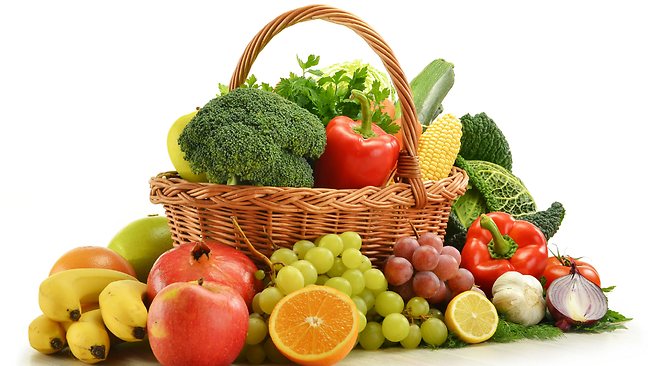
Fruits and vegetables are high in vitamins, minerals and fiber – and they’re low in calories. Eating a variety of fruits and vegetables may help you control your weight and blood pressure. Fresh, filling and heart-healthy, fruits and vegetables are an important part of your overall healthy eating plan. The American Heart Association recommends eating five or more fruit and vegetable servings every day. Also variety matters, so try a wide range of fruits and veggies.

Keep it colorful

Challenge yourself to try fruits and vegetables of different colors. Make it a red/green/orange day (apple, green leafy vegetables, carrot), or see if you can consume a rainbow of fruits and vegetables during the week.

Fruits-and-Vegetables

Fruit and vegetables

Antioxidants in fruit and vegetables offer protection against heart disease. Fruit and vegetables are also important sources of folate, which helps lower the blood levels of the amino acid homocysteine, which appears to be linked to an increased risk of heart disease.

Foods containing vitamin E 

Some studies indicate that vitamin E acts as an antioxidant, helping to protect against ‘bad’ cholesterol. Good sources of vitamin E include almonds, dark green vegetables, vegetable oils and wholegrain products. It is better to eat foods containing vitamin E rather than take supplements, which do not have the same protective nature.

Fruits containing Iron

Fruits and vegetables are rich sources of iron. Watermelon is a fruit that contains 1.5g of iron in 1/8 of a medium sized fruit. Watermelon is also rich in vitamin C which helps your body to absorb iron efficiently. Raisins are a good addition to oat meal or Payasam (Indian milk-based dessert) which can increase your iron intake. Mushrooms, dark green leafy vegetables, beans, peas are also good sources of iron.

image 2

Citrus Fruits

Women who consume high amounts of the flavonoids found in oranges and grapefruits have a 19% lower risk of ischemic stroke(caused by a clot) than women who don’t get as much of these compounds, a recent study found. Citrus fruits are also high in vitamin C, which has been linked with a lower risk of heart disease. Oranges are an excellent source of vitamin C. They are also a very good source of dietary fibre. In addition, oranges are a good source of B vitamins including vitamin B1, pantothenic acid and folate as well as vitamin A, calcium, copper and potassium. An orange has over 170 different phytonutrients and more than 60 flavonoids, many of which have been shown to have anti-inflammatory, anti-tumour and blood clot inhibiting properties, as well as strong antioxidant effects.

Papaya

Papaya may be beneficial to your heart health as it contains lycopene and vitamin C. The antioxidants in papaya may protect your heart and enhance the protective effects of HDL, the good cholesterol.

Pomegranates

Pomegranates contain numerous antioxidants, including heart-promoting polyphenols and anthocyanins which may help stave off hardening of the arteries.

Banana

Creamy, rich and sweet bananas are a favourite food for everyone from infants to elders. Bananas are a good source of potassium an essential nutrient in maintaining blood pressure. Since one medium sized banana contains whopping 400mg of potassium the inclusion of bananas in your routine meal plan may help to prevent high blood pressure and protect again atherosclerosis. While bananas are a very low-fat food, one type of fat that they do contain is small amounts of sterols like sitosterol.  As these sterols look structurally similar to cholesterol, they can block the absorption of dietary cholesterol. By blocking absorption, they help us keep our blood cholesterol levels in check. They are good sources of vitamins, minerals and fibre.

Green leafy vegetables

A generous portion of green veggies in your daily diet can benefit your body .Greens make up a significant source vitamins A, C, E and K as well as several B vitamins. They are rich sources of minerals such as calcium, magnesium, iron and potassium. They are rich in fiber, extremely low in fat and carbohydrates and provide an excellent source of protein. Winter is the best time to enjoy leafy, green vegetables as they are fresh and can be consumed in a variety of ways. Add them to salads, have a green soup, make gravy or simply stuff  them in your sandwich. Whatever you choose, make sure you eat them.