Categories
Uncategorized

What kind of jobs can increase your risk of a heart attack?

As a Preventive Cardiologist and head of a Cardiac Rehab Centre, I often ask myself the question, “Is the nature of work a reason for a person’s heart attack?” Putting together recent medical research and my decade-long interactions with patients and their family members, I have gained some insights into this aspect of how our jobs can make or break our heart health.

The following job categories are reported to have a higher association with heart attacks:

  • Doctors / Nurses / Other healthcare professionals
  • Business executives
  • IT professionals
  • Banking / Financial sector
  • Administrative sector
  • Secretarial jobs
  • Customer service sector
  • Manufacturing sector / blue collar jobs
  • Entertainment industry

We are aware that heart attack is a multifactorial disease with lifestyle, environmental and metabolic factors playing a role in the causation. We also know that evidence is mounting on the health hazards of air pollution and elevated noise levels, and that jobs with exposure to either or both of these will obviously pose a threat. However, the three culprits common to all the above high-risk jobs are mental stress, prolonged sitting and unhealthy eating.

Job Stress

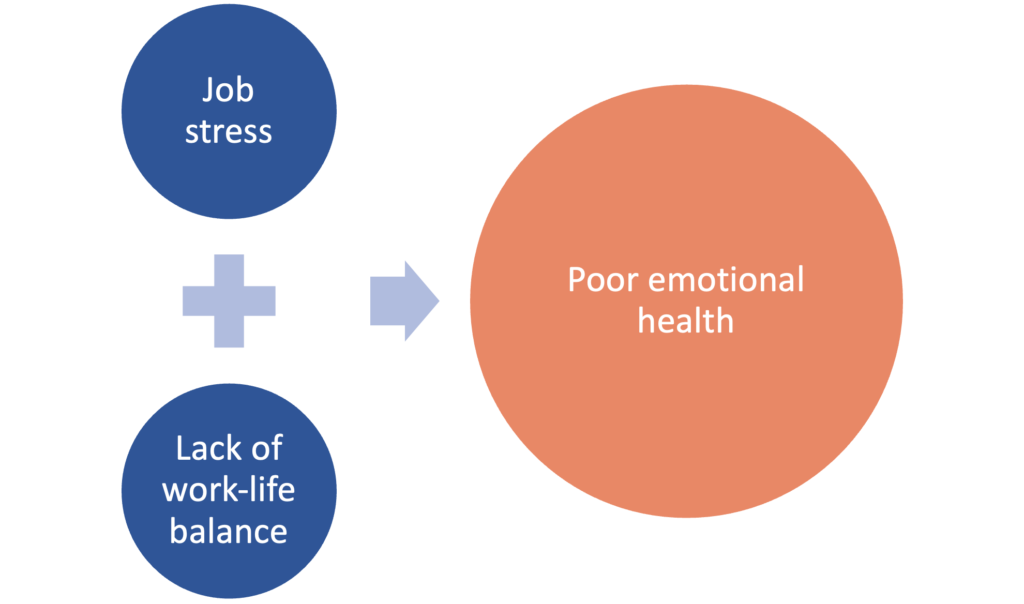
The term ‘Job Stress’ refers to the mental stress caused by work pressures, unrealistic expectations at work and the lack of control over work-related occurrences. Job stress leads to poor work-life balance and vice versa. This vicious cycle quickly escalates to poor emotional health and becomes causative for hypertension, insomnia, metabolic dysfunction and cardiovascular disease like heart attack and stroke.

Jobs where one is directly responsible for the health, wellbeing, finances, experience and satisfaction of others are typically considered high stress jobs.
Prolonged Sitting

Any job that requires continuous sitting, be it computer-related, banking-related, administrative or similar, can have deleterious effects on our heart health. Even long-distance drivers, pilots, frequent intercontinental travelers are at a high risk as they tend to stay in the seated position for more than a couple of hours.

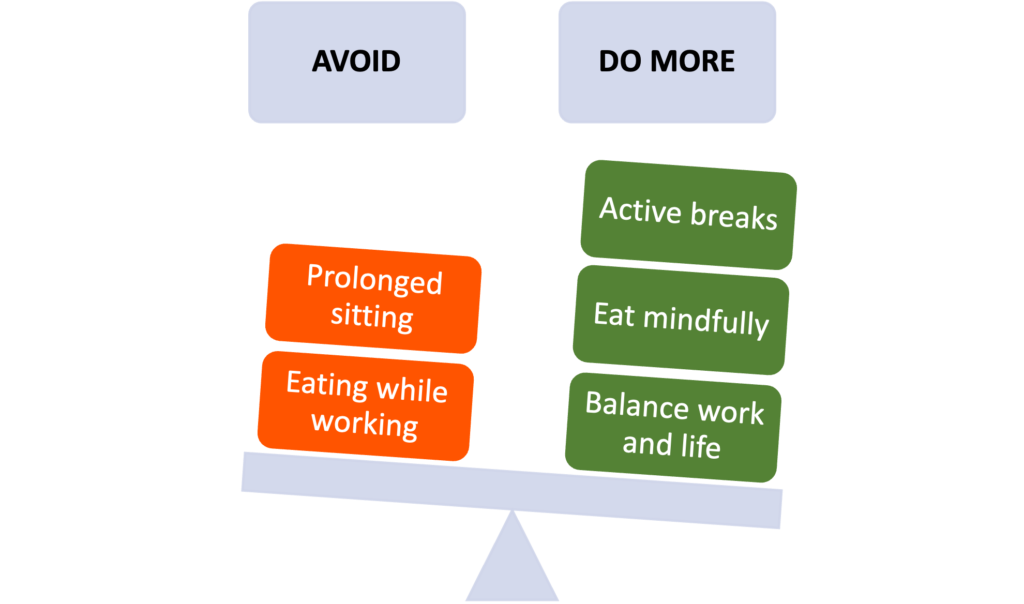
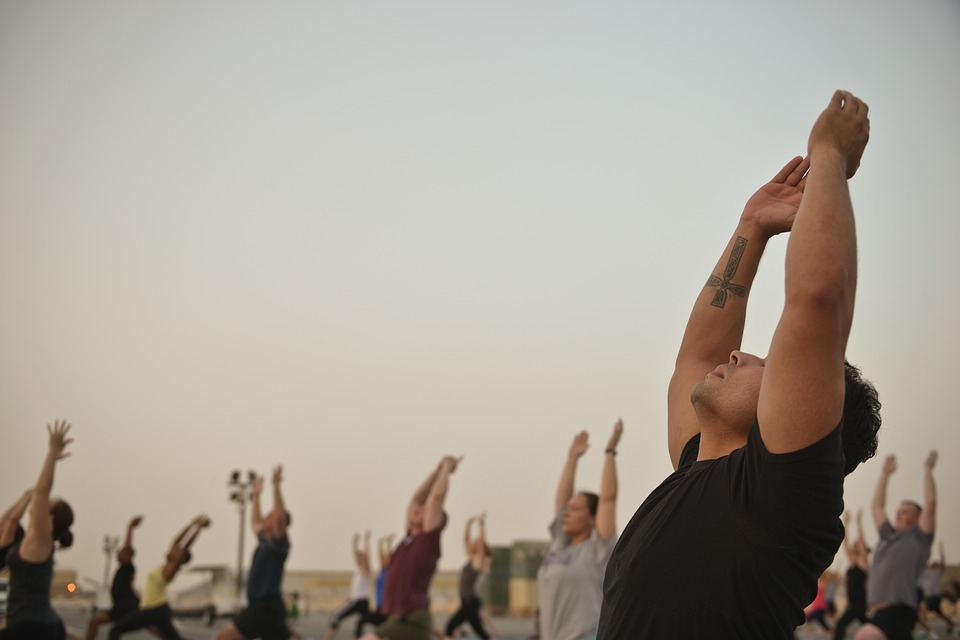
Our earlier article had touched upon how prolonged sitting is as bad for the heart as smoking is (http://www.cardiacwellnessinstitute.com/heart-disease-treatment-prevention/uncategorized/sitting-is-the-new-smoking/). We now know that the antidote to this is taking frequent breaks to stand up, walk, and do some exercises. In fact, any physical movement to interrupt the monotony of sitting will give the body’s circulation a vitality boost. Ideally, every 30 minutes of sitting should be pulsed with 5-10 minutes of movement. This will not only ensure your blood vessels are working will but will also improve your productivity at work as the brain gets recharged during movement.  

Unhealthy Eating

The poor eating habits that are observed in these high-risk jobs are possibly due to a combination of stress eating, eating to break the boredom of sitting and snacking on unhealthy foods to fuel the brain cells that are also reeling under the pressure of stress and sedentariness.  It is not a trait that you have to live with. It is a behavior that can be modified.

  • Are you eating while sitting at your work desk?
  • Are you snacking on high salt / sugar / packaged foods?
  • Are you consuming packaged beverages or caffeinated drinks often?
  • Are you eating when not hungry?
  • Are you eating when stressed?

If you have answered ‘yes’ to one or more of the above questions, it is advisable to seek the help of a doctor or dietitian to support your behavior modification journey.
In summary, if you are currently engaged in any of the high-risk jobs or have the hazardous heart health risk factors mentioned above, it is time to take remedial measures. Support is just around the corner to help you have a comprehensive understanding of your risk for heart disease and to guide you in accordance with your personal choices and lifestyle patterns.
Categories
Uncategorized

10 Tips to Stay Fit this Festive Season

The much-awaited festive season is here! Sure you are making plans to celebrate Christmas, New Year, and Pongal with friends and family. This is indeed a great time to enjoy and to have fun, especially after the gruelling months of the pandemic. But many of you may have already realised that it is a challenge to stay fit in the midst of all the fun, celebration, and togetherness. In fact, you may be wondering how some people manage to maintain their fitness levels despite the temptations all around.

In this post, we would like to share some easy tips to help you stay fit this festive season.

1. Stay energetic

Allotting time for workouts during the festive season is not easy but you definitely can plan get-togethers that involve a walk along the beach, some games in the park, or a neighbourhood stroll. Walking to the nearby stores or to your hang-out spot instead of taking your two / four-wheeler is a healthier alternative.

2. Play with your kids/grandkids/friends 

A nice picnic in the park, outdoor games like Frisbee, Kho Kho, 7 tiles, Cricket, Badminton, and Cycling are some great bonding activities for multi-generation families and for friends. Kids can come up with their own creative games too but the only rule is it should be an active one.

3. Move more sit less

There may be many interesting programs on the TV but remember that long hours of sitting can bring a lot of trouble. Take short walks between serials, spread your household chores in such a way that you get up and move every 30 minutes and just do some simple stretches and on-spot exercises to get the muscles working and the blood circulating.

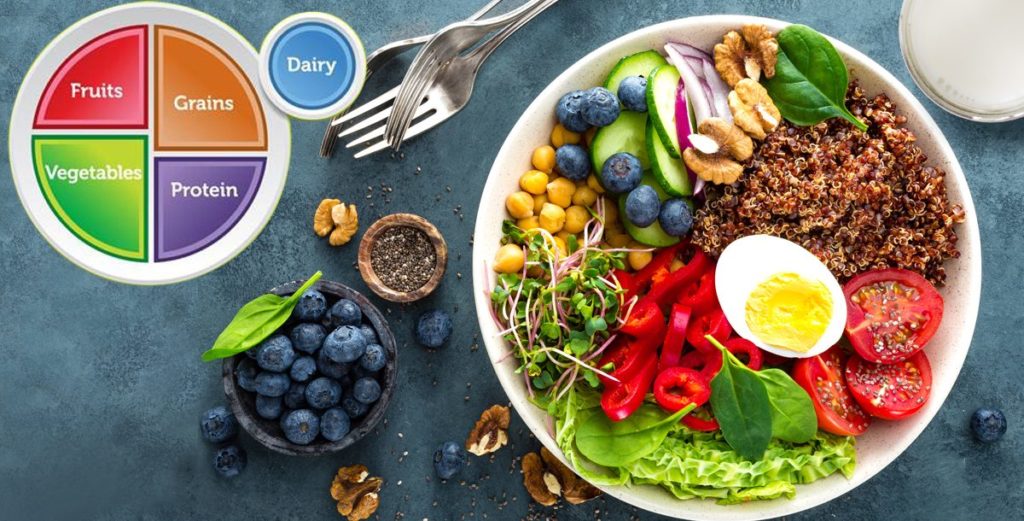
4. Aim for a colourful meal every day

Most of the foods that we eat during the festive season are fried, oily, baked and loaded with lots of calories. Including more fruits and vegetables in various dishes is a great way to compensate for the festive indulgence. Naturally available foods are rich in fibres, minerals, and nutrients and are fat-free; in short, they are the best way to ensure a glowing skin, a healthy gut, and complete wellbeing.

5. Be mindful of what you eat

Mindful eating simply means enjoying whatever you eat by chewing properly and relishing the food, taking time to eat and not rushing, watching the portion size, and stopping when you feel satisfied (or even before that) so that you feel good at the end of the meal and not stuffed or bursting. Avoid the unhealthy cycle of binge eating and then fasting.

6. Keep oil to a minimum and do not reuse oil

While keeping oil consumption low is a great idea, you may be tempted to reuse the leftover oil for some other dish but beware (!) – repeated heating of any oil leads to the formation of trans-fats which are the worst type of fats and are extremely harmful to the heart, the blood vessels and all the organs.

7. Drink more water

Drinking a few glasses of water before a big party will make you feel fuller, eat lesser and get your digestive system going at the same time. Limit the consumption of alcoholic and non-alcoholic beverages and choose fresh juices (no added sugar) instead.

8. Stick to a bedtime routine

Late night parties are best avoided or wrapped up early as unhealthy meals with lack of sleep is a deadly combo. Schedule early dinners if possible and try to have at least an hour or two between dinner and bedtime. Getting a good night’s sleep of 7-8 hours is the best thing you can do for yourself.

9. Plan ahead

A little bit of proactive thinking and planning will come in handy this festive season. If you are hosting parties, ensure you provide adequate options for those guests who may be calorie conscious or on a restricted diet due to some health condition. Likewise, let your hosts know beforehand your dietary preferences if you are invited to a get-together.

10. Cheer up, say thank you

Remember, this season is all about loving, caring, being thankful, and spreading good cheer. Being emotionally well is a major part of being physically fit. So, unleash your creative talents and come up with the most innovative ways to say “Thank You” to all those who have made your year a memorable one.

Team Cardiac Wellness Institute takes this opportunity to wish each and every one of you a wonderful festive season – a Merry Christmas, a Happy New Year, and a Happy Pongal! Stay safe, follow COVID safety protocols, and have a fit start to the New Year!